 Ultimate guide
How to Experience Cultural Immersion Travel as an Empty Nester
Table of Contents
- What Cultural Immersion Travel Means for Empty Nesters
- Why Small Group History Tours Italy Offer Deeper Connections
- Discovering Off-the-Beaten-Path Italy Tours and Hidden Ruins
- Italy Archaeological Tours: Walking Through Frozen Moments in Time
- Creating Meaningful Travel Experiences for Empty Nesters
- How to Immerse in Local Culture Respectfully
- Planning Your First Historian-Led Journey
- Frequently Asked Questions
Last Updated: October 25, 2026
What Cultural Immersion Travel Means for Empty Nesters
Cultural immersion travel for empty nesters is the practice of stepping beyond standard sightseeing to live alongside the rhythms of a place, eating where locals eat, hearing stories from people who've spent decades in one village, and standing in front of ancient ruins with someone who understands not just what happened there, but why it matters to the world we inhabit now.
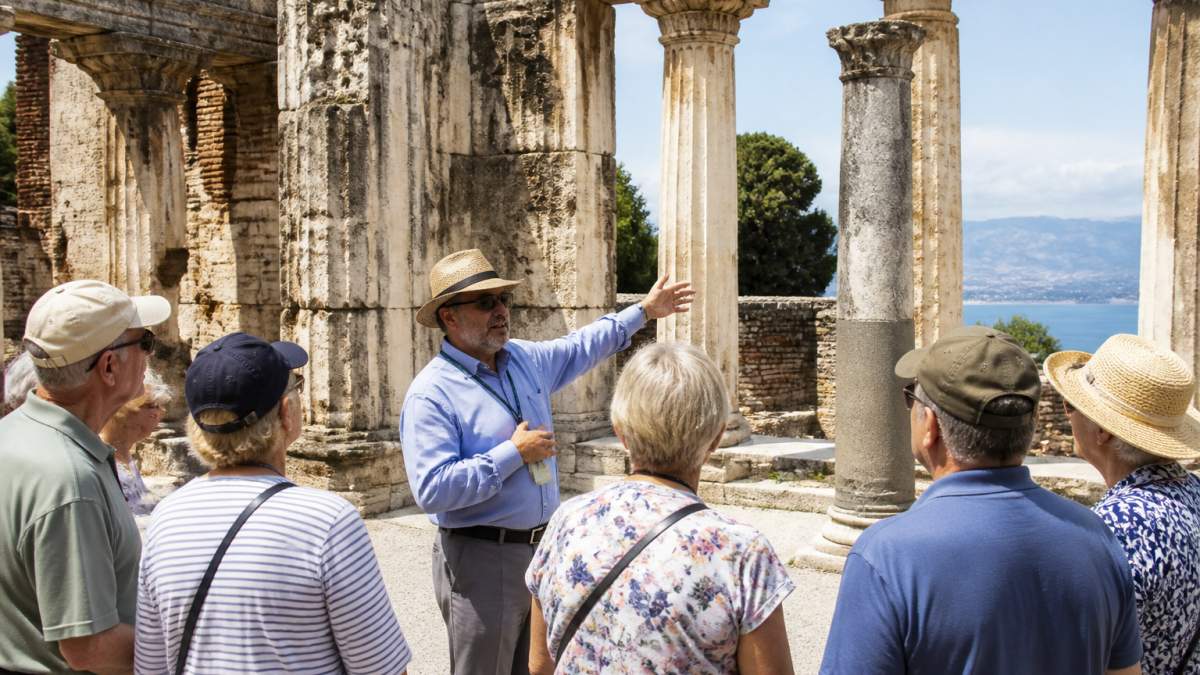
This isn't tourism. It's the difference between visiting a museum and having a historian unlock a door to a room the museum doesn't show tourists. At Italian History with Joseph, we've spent over thirty years building cultural immersion travel empty nesters experiences, crafting small-group journeys where the history isn't performed for you; it's revealed to you by someone who's spent a lifetime studying it.
The empty nest phase creates a rare opening. Your schedule is yours again. You have time to sit at a long lunch table and actually talk to the people across from you. You can linger in front of a fresco for as long as you need to understand it.
Why Small Group History Tours Italy Offer Deeper Connections
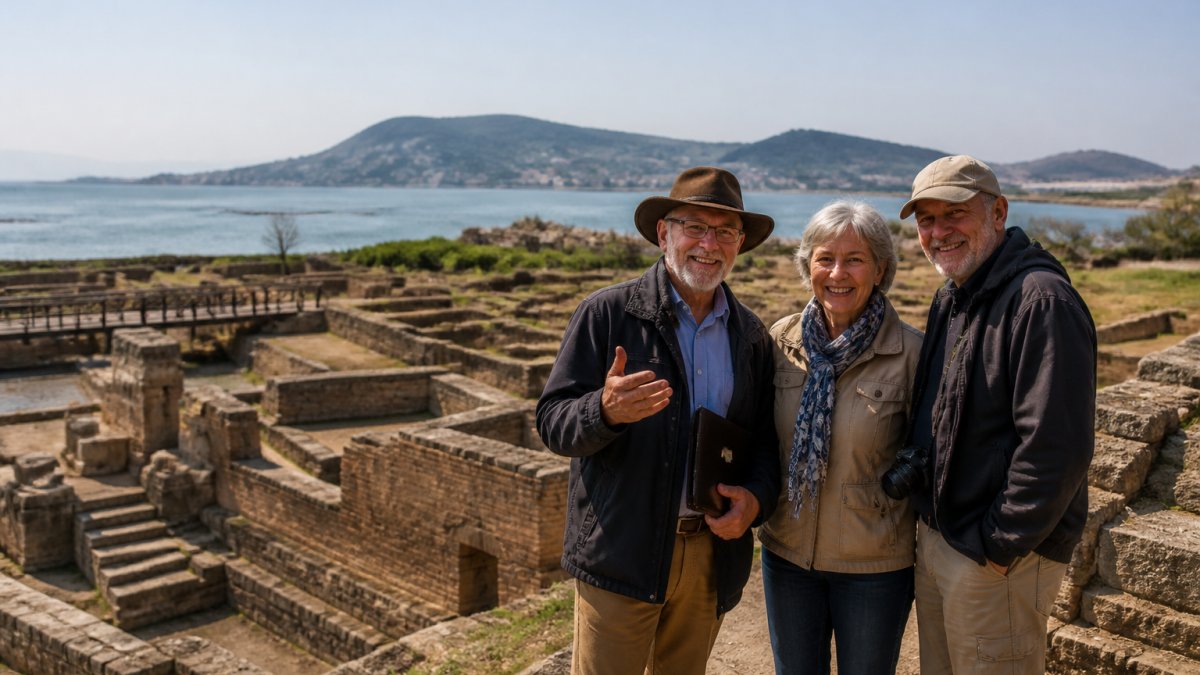
Small groups create intimacy that larger tours cannot replicate. When you're traveling with eight or ten people instead of forty, the guide doesn't perform for a crowd; they have a conversation with a group.
This matters more than most travelers realize. A historian leading a small group can pause mid-sentence to answer a question nobody else would have asked. A restaurant owner can spend an evening explaining how his family's recipe connects to the Norman invasions.
Small group history tours Italy work because they're built on reciprocal respect, not extraction. You're not taking photos and leaving; you're engaging. The conversations you have become the real souvenirs, the stories you bring home are the ones that change how you see the world.
UNESCO's research on cultural heritage tourism emphasizes that meaningful engagement with local communities strengthens both preservation efforts and visitor understanding. When you travel in a small group with a historian who knows the region deeply, you become part of that preservation effort, not an observer of it.
Discovering Off-the-Beaten-Path Italy Tours and Hidden Ruins
Sites Few Visitors Ever Reach
Most travelers follow the same well-worn paths: the Colosseum, the Sistine Chapel, the canals of Venice. Those places matter. But they're also crowded, curated, and separated from the living context that makes them comprehensible.
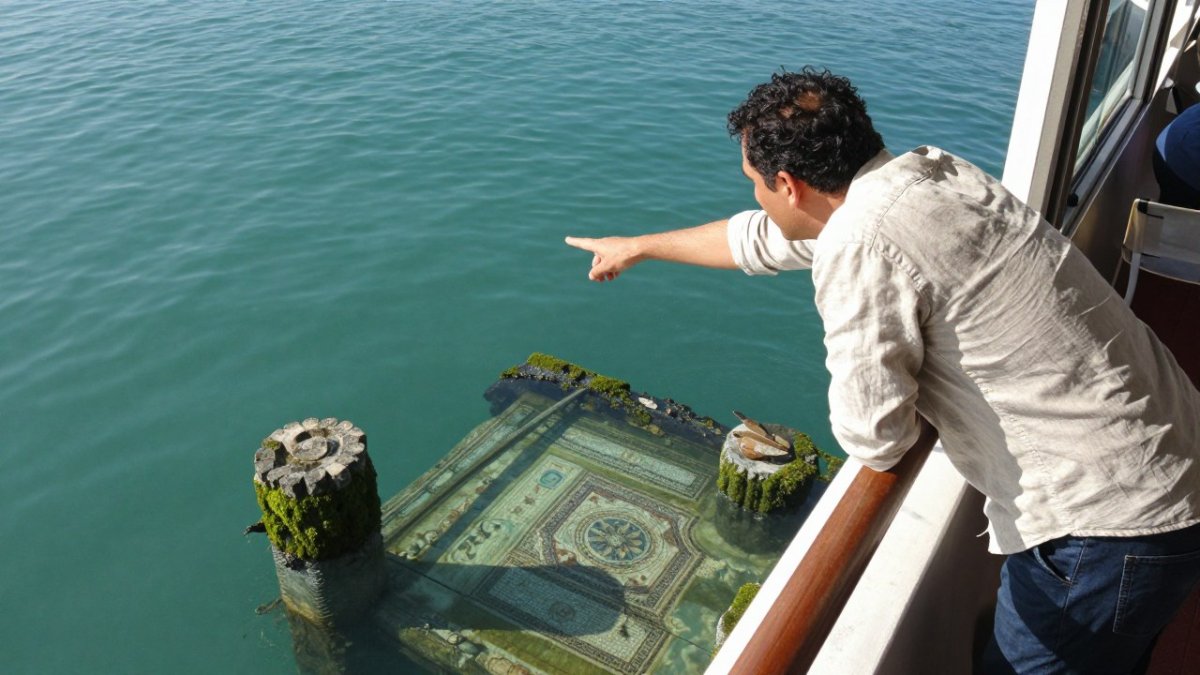
Off-the-beaten-path Italy tours take you to places where history isn't behind velvet ropes. Portus Julius, the submerged Roman harbor near Naples, is one such site. Few visitors ever see it.
The Phlegraean Fields near Naples are volcanic craters the Romans believed were literal doorways to the underworld. Walking those craters, you understand why.
These sites exist because they're less accessible, less promoted, and less profitable for standard tour operators. That's precisely why they matter for cultural immersion travel empty nesters seek. You're not competing with thousands of other visitors for space or attention.
Meeting Locals and Sharing Meals
The most transformative moments on off-the-beaten-path Italy tours happen at tables, not at monuments.
In a small village, you might sit down to lunch with a family who shares their regional cuisine. You'll taste it. You'll understand it differently than you would have reading about it in a guidebook.
These meals aren't performances. They're invitations. When a local shares their table and their food, they're sharing their life. That exchange, the vulnerability of it, the generosity, is what cultural immersion actually means.
A common mistake is treating food tourism as a separate activity from cultural engagement. Discover how authentic regional food tours in Italy deepen your understanding of local culture and create meaningful connections with the communities you visit. It's not. Food is the entry point. It's how you understand climate, history, economics, family structure, and values all at once. When you eat with locals, you're not just consuming calories; you're participating in a ritual that's been refined over centuries.
These lesser-known Italian sites offer the archaeological depth and cultural context that empty nesters seek.
| Site | Location | Why It Matters | Visitor Access |
|---|---|---|---|
| Portus Julius | Near Naples | Submerged Roman harbor visible via glass-bottom boats | Few visitors ever see it |
| Phlegraean Fields | Near Naples | Volcanic craters Romans believed were doorways to underworld | Walking accessible |
| Herculaneum | Campania | Ash layers preserve moment of Vesuvius eruption | Less crowded than Pompeii |
| Pompeii | Campania | Newly restored excavations reveal graffiti and daily life | Most famous frozen city |
Italy Archaeological Tours: Walking Through Frozen Moments in Time
The difference between visiting an archaeological site and walking through one with a historian is the difference between looking at a photograph of a place and actually being there.
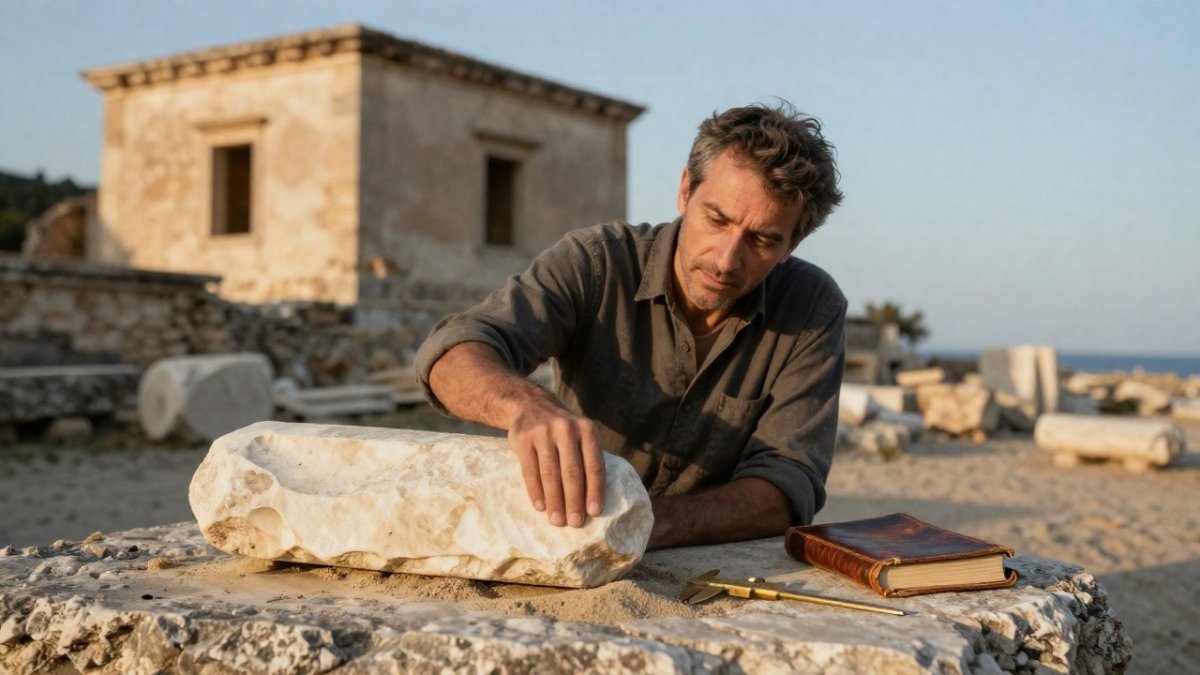
Italy archaeological tours with a scholar who's spent decades studying these sites transform rubble into narrative. The ash layers at Herculaneum don't just show you that Vesuvius erupted; they show you the moment it happened. Families were eating dinner. Children were sleeping.
Pompeii is the most famous frozen city, but it's also the most crowded. The newly restored excavations reveal details that matter: the graffiti on walls, the political messages, the jokes. These were real people with opinions and humor and anxiety about their daily lives.
Walking through these sites with someone who understands the archaeology, the mythology, and the human reality creates a kind of time travel that no photograph or video can replicate. You're not imagining what it was like; you're standing where it happened, with someone who can help you see it clearly.
Creating Meaningful Travel Experiences for Empty Nesters
Choosing Between Independent, Small-Group, and Private Travel
Independent travel offers freedom. You move at your own pace, choose your own restaurants, and answer to no schedule but your own. For some empty nesters, that's exactly right.
But independent travel in Italy comes with costs that aren't always obvious. You'll miss the context that transforms a site from interesting to unforgettable. You might stand in front of a fresco and wonder what you're looking at.
Small-group tours solve that problem. They provide expertise, local connections, and the social dimension that many empty nesters crave at this life stage. You're not traveling alone, but you're also not lost in a crowd.
Private travel, a guide hired just for you and your partner, offers ultimate customization. But it also removes the social element that many empty nesters value most. This stage of life is often about reconnection: with your partner, with friends, with yourself. A small group creates space for all of that.
The choice depends on what you're seeking. If you want expertise and community, small-group tours are unmatched. If you want complete freedom, go independent.
Accessibility and Pacing for Active Travelers
A persistent myth about cultural immersion travel for empty nesters is that it requires the fitness level of a thirty-year-old backpacker. It doesn't.
The best small-group tours are designed with realistic pacing. Yes, there's walking. But it's purposeful walking, you're moving to see something specific, not hiking for the sake of exercise. Rest breaks are built in. Lunch is long. The pace allows for genuine conversation and observation.
Many empty nesters are active travelers. They hike, they cycle, they move through their daily lives with energy. But they also value comfort, good meals, and the ability to sit down when they need to. A well-designed small-group tour accommodates both.
Accessibility matters too. Not every site in Italy is wheelchair-accessible, and not every empty nester has the same physical capacity. The best tour operators know which sites work for which travelers and design itineraries accordingly.
This is where working with a historian-led operator makes a difference. They're not trying to fit you into a standard itinerary; they're building an experience that works for you.
How to Immerse in Local Culture Respectfully
Respect in cultural tourism means recognizing that you're a guest in someone else's home, not a consumer purchasing an experience.
Start by learning basic phrases in the local language. You don't need fluency.
Eat where locals eat. Avoid restaurants with picture menus and English-speaking staff if you can. Seek out family-run trattorias where the menu changes based on what's in season. Ask your guide or your hotel owner where they eat.
Buy from local artisans and small businesses. A handmade ceramic plate from a potter in Puglia supports that potter's family. A bottle of wine from a small vineyard supports the farmer who tends those vines.
Listen more than you talk. This is the hardest part for many travelers. We want to share our stories, our experiences, our perspectives. But cultural immersion means creating space for other people's stories. Ask questions.
Responsible Tourism Institute's principles of ethical travel emphasizes that meaningful cultural engagement requires genuine reciprocity. You're not observing a culture; you're participating in an exchange.
Planning Your First Historian-Led Journey
Start by clarifying what you want from this experience. Are you seeking intellectual stimulation? Social connection? Adventure? Time with your partner? The answer shapes everything else.
Once you know what you're seeking, look for operators who share that vision.
Browse every Buried Italy journey to see the specific destinations and themes available.
Ask specific questions before booking. What sites will you visit that other tours don't go to? How much time is spent with locals versus at major monuments? What's the daily pace? What's included in the itinerary?
Consider timing. Spring and fall are ideal for Italy, warm enough to be comfortable, cool enough that you're not exhausted by heat.
Finally, understand what you're paying for. Is historian-led travel worth the cost? addresses this directly: you're paying for expertise that transforms a trip from pleasant to unforgettable.
The empty nest is a rare gift, time, freedom, and the capacity to be genuinely present in a place. Cultural immersion travel for empty nesters honors that gift by creating experiences where presence becomes understanding, and understanding becomes transformation.
Frequently Asked Questions
What makes cultural immersion travel different from standard tourism?
Cultural immersion travel prioritizes deep engagement with local traditions, heritage, and people over checking off guidebook sights. Instead of brief visits to major attractions, you spend unhurried time in communities, share meals with locals, learn regional history from experts, and participate in daily life. For empty nesters, this shift from quantity of destinations to quality of connections often transforms a vacation into a life-changing experience that extends far beyond the trip itself.
How do I choose between independent travel and small-group history tours in Italy?
Independent travel offers flexibility and solitude; small-group history tours provide expert context, vetted local connections, and the social richness of shared discovery. If you want to understand why a site matters, not just see it, and prefer curated itineraries that include access to off-the-beaten-path locations and meaningful meals with regional food traditions, small-group tours deliver depth. Historian-led programs in particular offer thirty years of research and on-the-ground knowledge that guidebooks cannot match, especially for archaeological sites and lesser-known ruins.
What should I consider when planning a history-focused trip as an empty nester?
Start with your physical comfort: confirm walking distances, terrain, and pacing align with your mobility. Choose destinations that match your interests, volcanic craters and sunken ruins, medieval kingdoms, or Greek colonies. Verify group size and group composition; small groups foster genuine connections. Ask whether the guide has deep expertise or relies on scripts. Finally, ensure the itinerary includes time with locals and regional food experiences, not just monuments. These elements transform a trip from sightseeing into cultural immersion.
How can empty nesters experience local culture respectfully during travel?
Respectful cultural immersion means learning local history before you arrive, asking permission before photographing people, supporting family-run businesses and regional food traditions, and listening more than talking. Traveling with a historian who understands local context helps you avoid stereotypes and appreciate nuance. Eating at local trattorias, attending community events when invited, and spending time in neighborhoods beyond tourist zones all signal genuine interest. Small-group travel naturally encourages this because guides often have relationships with communities and can facilitate authentic introductions that larger tours cannot.
The next season of your life is waiting. It doesn't require climbing mountains or proving something to yourself. It requires showing up with genuine curiosity, sitting at a table with people who see the world differently than you do, and letting their stories become part of yours. Learn about Joseph Walker's approach to historian-led travel and discover what it means to travel with someone who's spent a lifetime uncovering the stories that guidebooks miss.