 Ultimate guide
Is Sperlonga Worth Visiting for a Day Trip?
Last Updated: November 12, 2026
Quick Summary
Sperlonga is worth visiting for a day trip: this whitewashed seaside village sits roughly halfway between Rome and Naples, with long sandy beaches, clear shallow waters and a medieval center stacked above the sea. It also holds the Villa of Tiberius, a Roman seaside villa built around a natural sea cave with Odyssey sculpture groups.
- Sperlonga sits in the Province of Latina, Lazio, roughly halfway between Rome and Naples.
- No train station serves the town itself, so plan the final leg from the nearest station.
- The Villa of Tiberius centers on a natural sea cave with monumental Odyssey sculpture groups.
- The main beach mixes paid lidos with free sections and suits families and first-time visitors.
- The hilltop historic center is built on stairs and steep inclines, so limited-mobility visitors may prefer the lower town.
Table of Contents
- Where Sperlonga Sits Between Rome and Naples
- Getting to Sperlonga from Rome by Train and Car
- The Villa of Tiberius Sperlonga: Sea Caves, Museum and Myth
- Beaches, Swimming and the Blue Grotto Boat Trips
- The Whitewashed Historic Center and Coastal Viewpoints
- A Coast of Ulysses Travel Guide: Gaeta, Myths and the Odyssey
- Local Food, Seasonality and a Realistic Day-Trip Itinerary
- Planning a Historian-Led Visit to Sperlonga and the Coast
- Frequently Asked Questions
Where Sperlonga Sits Between Rome and Naples
Sperlonga is a whitewashed seaside village on the Tyrrhenian coast, roughly halfway between Rome and Naples in the Province of Latina, Lazio. That midpoint position is the reason the town works so well as a day trip: it sits within easy reach of both cities while feeling like a separate world entirely.
The geography explains the appeal. A rocky promontory rises straight from the sea, and the historic center clings to its slopes in stacked white houses. Below, long sandy beaches curve along the bays. This guide from Italian History with Joseph covers not just the beaches but the ancient history underneath them, because Sperlonga holds one of the most evocative Roman sites on the entire coast.
Sperlonga is a coastal town in Lazio built around a single dramatic idea: a medieval village perched above the sea, with a Roman emperor's villa at its edge. The combination of clear waters, shallow waters for families, and genuine ancient history makes it unusual among Italian beach towns.
Below, we'll show you exactly how to reach it, what to see, and how to time a visit so the day actually works.
Getting to Sperlonga from Rome by Train and Car
Sperlonga sits roughly halfway between Rome and Naples, and the journey is straightforward once you understand one quirk: the train station is not in the town. Sperlonga is not directly served by a train station in the town itself, so plan the final leg from the nearest station before you book.
By train. Regional trains leave Rome's Termini and Tiburtina stations and connect onto the coastal line toward Formia and Naples. There is no single direct high-speed train to Sperlonga; you ride a regional service and, depending on the departure, may change at one of the coastal junctions. Check current regional train timetables and the local transfer options from the station before you travel.
By car. Driving from Rome is a practical option, though traffic conditions vary by season and day.
Plan the transfer. Check return transport timetables before you commit to a train, and build in a buffer for the final leg in both directions.
Trenitalia official regional train timetables and routes
The Villa of Tiberius Sperlonga: Sea Caves, Museum and Myth
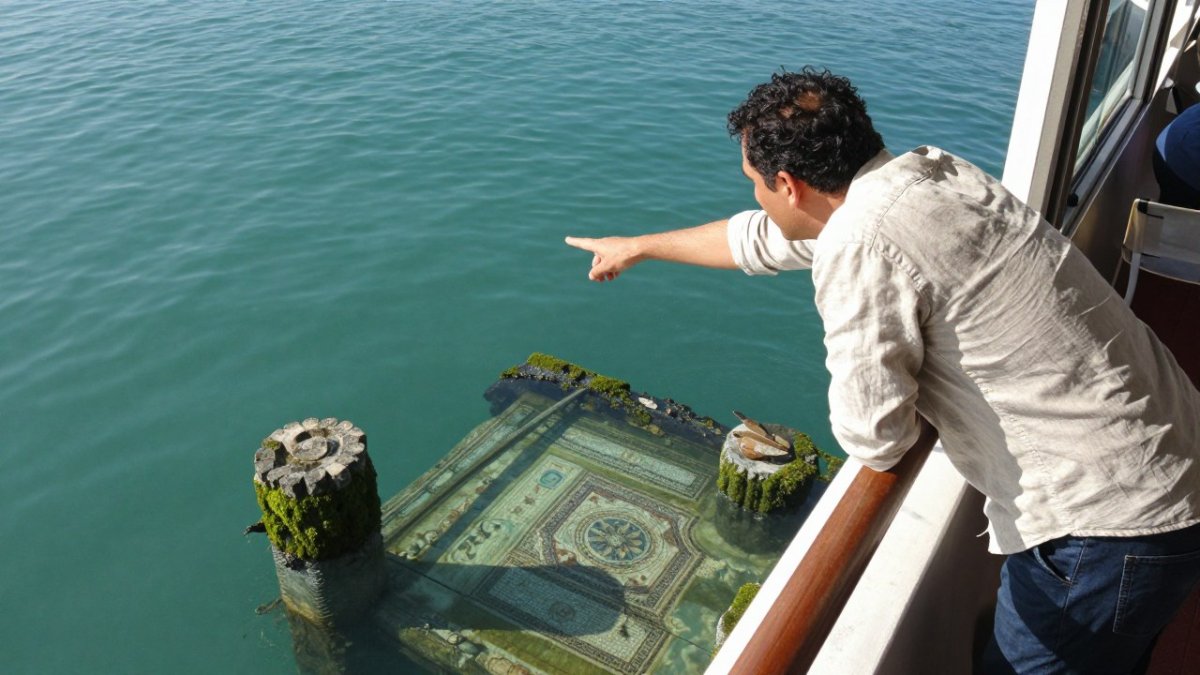
The Villa of Tiberius Sperlonga is the reason this town matters to anyone interested in ancient history. The emperor Tiberius built a seaside villa here, and its centerpiece was a natural sea cave fitted out with monumental sculpture groups.
The villa was built around a natural sea cave, and its sculpture groups depicted scenes from Homer's Odyssey.
Seeing the Odyssey-themed material in the site's museum and then visiting the cave where it was displayed is a rewarding pairing for anyone interested in the poems.
The archaeological site and museum keep their own opening hours, so check before you build your day around them.
Italian Ministry of Culture official heritage listings
Beaches, Swimming and the Blue Grotto Boat Trips
Sperlonga's beaches are divided into distinct stretches, and knowing which one you want saves a lot of walking. The main beach, closest to the historic center, mixes lidos with paid sunbeds and umbrellas alongside sections of free beach. Further along, the beaches toward the promontory tend to be quieter.
The water is the headline. Clear waters and shallow entry in the main bays make this a good swimming stop for families and cautious swimmers alike. The bays are sheltered, so the sea stays calm on most days.
Coastal boat excursions are one way to see the cliffs and sea caves from the water, and snorkeling around the rocky edges is an option for those who bring their own mask.
| Beach Area | Character | Best For |
|---|---|---|
| Main beach by the center | Lidos plus free sections | Families, first-time visitors |
| Beaches toward the promontory | Quieter, rockier edges | Snorkeling, couples |
| Bays near the villa | Sheltered, scenic | Swimming, photography |
The Whitewashed Historic Center and Coastal Viewpoints
Sperlonga's historic center is a maze of narrow lanes, stairways, and whitewashed houses stacked above the sea. It is small enough to wander in an hour and rewarding enough to linger in for three.
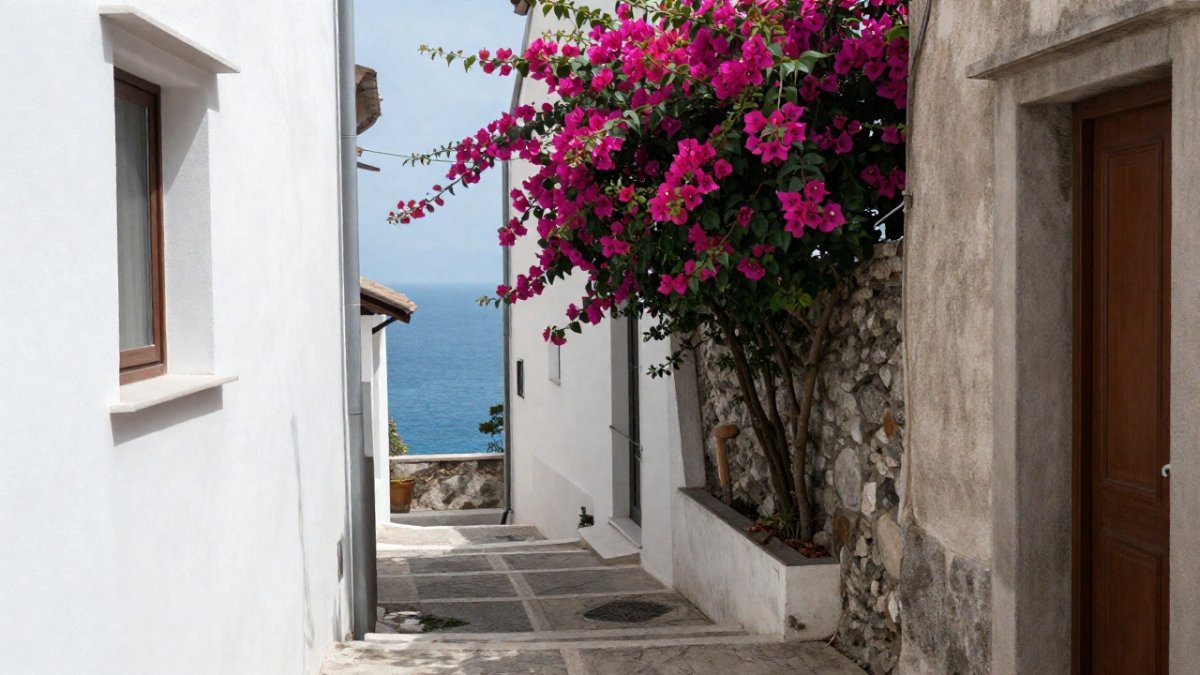
The medieval center grew upward for defensive reasons, and the result is a village of viewpoints. Every few turns opens onto seaside views over the rooftops and the water beyond. The coastal scenery has long made the town a popular summer destination.
Accessibility deserves an honest note. The hilltop center is built on stairs and steep inclines, so visitors with limited mobility may prefer to focus on the lower town and the beach.
A Coast of Ulysses Travel Guide: Gaeta, Myths and the Odyssey
The Coast of Ulysses travel guide begins with a simple premise: this stretch of Lazio coastline is where Homer's geography and Roman imperial history overlap. Gaeta, just up the coast from Sperlonga, is part of that coastline's story.
Homer's Odyssey places Ulysses' wanderings in the western Mediterranean, and later Roman writers mapped those episodes onto the Italian coast. Homer's geography and later Roman writers linked the coastline between Gaeta and Sperlonga with the wanderings of Ulysses.
For travellers who want to follow that route with a historian, our Myth and Sea tour explores the maritime myths of the Mediterranean.
Local Food, Seasonality and a Realistic Day-Trip Itinerary
Sperlonga's table is coastal Lazio cooking, and it is worth planning your day around a proper meal. Seafood is a regional staple, and local trattorias are a good place to try it.
Seasonality shapes everything. Summer is the busiest period, and shoulder months offer more space. Confirm opening hours before you build a day around any restaurant or boat operator.
Beaches. Sperlonga's beaches vary in character, from the main beach by the center to quieter stretches toward the promontory. Arriving early in high season and bringing your own water and shade are sensible precautions.
A realistic day-trip itinerary with timing:
- 08:00 - Depart Rome by train or car
- 09:45 - Arrive, walk the lower town and harbour
- 10:15 - Villa of Tiberius and archaeological museum
- 12:00 - Boat trip to the sea caves and Blue Grotto
- 13:00 - Seafood lunch in the lower town
- 14:30 - Swim at the main beach
- 16:00 - Climb to the whitewashed historic center for the viewpoints
- 17:30 - Return transfer to the station or car
- 19:30 - Back in Rome
Budget for transport, lunch, and any beach or boat charges, and confirm current rates locally before you go.
Planning a Historian-Led Visit to Sperlonga and the Coast
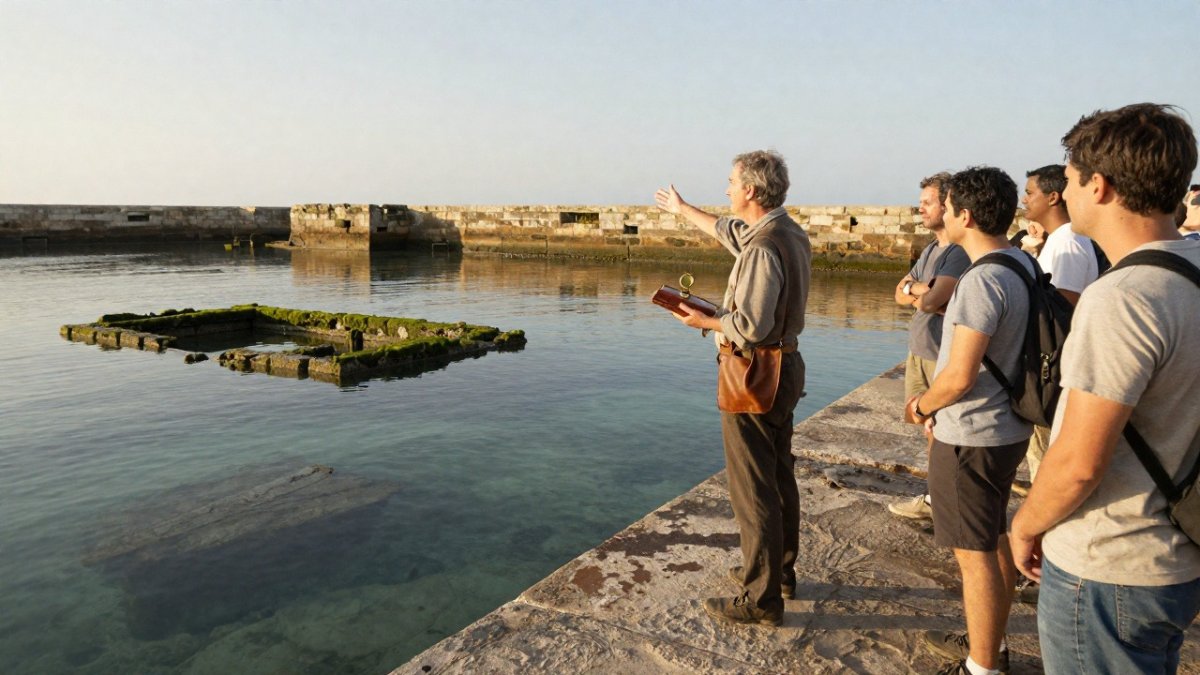
A day trip covers Sperlonga's surface. The layers underneath, Tiberius' cave, the Odyssey sculptures, the myth-soaked coastline toward Gaeta, reward slower travel with someone who can read them.
That is what we do. Our Campania Felix tour explores the sunken ruins of Portus Julius and the wider Bay of Naples, the natural companion to a Sperlonga visit. If you would rather begin with the Odyssey coastline, our Italian Mosaic tour covers Rome, the Coast of Ulysses, the Bay of Naples, Sorrento, and the newly restored excavations of Pompeii.
Every program is designed by Joseph Walker, a historian with over thirty years of research in Italy and author of Buried Italy. You can read more about Joseph's work and experience before you decide.
Ready to plan? Get in touch with our team to request a planning call and talk through dates.
Sperlonga rewards travellers who look past the beach. The question is whether you want to see it alone or with someone who can explain what Tiberius was looking at from his cave. Italian History with Joseph builds small-group, historian-led journeys with guaranteed departures, access to sites most guidebooks skip, and unhurried meals with the people who live there. Get started with Italian History with Joseph and see the coast the way it was meant to be read.
Frequently Asked Questions
Is Sperlonga, Italy worth visiting?
Yes, if you want a beach day with real history attached. Sperlonga combines a sandy beach and clear, shallow water with a whitewashed hilltop historic center and the Villa of Tiberius, an archaeological site with a museum and sea caves. It sits between Rome and Naples on the Tyrrhenian coast, so it works as a long day trip from Rome. Travelers who want only ruins may find a half day enough; those who want swimming, seafood and medieval streets will want longer.
What is the connection between Sperlonga and the Odyssey?
The Villa of Tiberius Sperlonga is built around a grotto complex where sculptural groups depicting episodes from Homer's Odyssey were found, including the blinding of Polyphemus and Scylla's attack. The villa belonged to the emperor Tiberius. This makes the town one of the clearest places on the coast to see how Roman seaside luxury was tied to Greek epic poetry.
Can you swim in Sperlonga?
Yes. The main sandy beach runs along the town below the historic center, with clear water and a shallow shelf that suits families. Summer weekends are busy, so arrive early for space.
Is Sperlonga a good base for exploring the Coast of Ulysses?
It works well as a base for the southern end of the Coast of Ulysses travel guide route. Sperlonga sits close to Gaeta, and both are within reach of the wider stretch associated with Homer's Odyssey. From here you can visit the Villa of Tiberius, take a boat along the bays, and continue to Gaeta for its medieval quarter and coastal viewpoints. A car gives the most flexibility.