 Ultimate guide
Off the Beaten Path in Italy: Hidden Gems and Buried Worlds
Last Updated: November 19, 2026
Quick Summary
Off the beaten path in Italy means visiting places where the history is deep, the sites are real, and an expert guide explains what you are seeing. Buried cities like Pompeii and Herculaneum, rock-carved Matera and the Greek colonial sites of Calabria reward travelers who look past the top layer of the country's past.
- Herculaneum is smaller and often less crowded than Pompeii, making it easier to absorb the scale of one town.
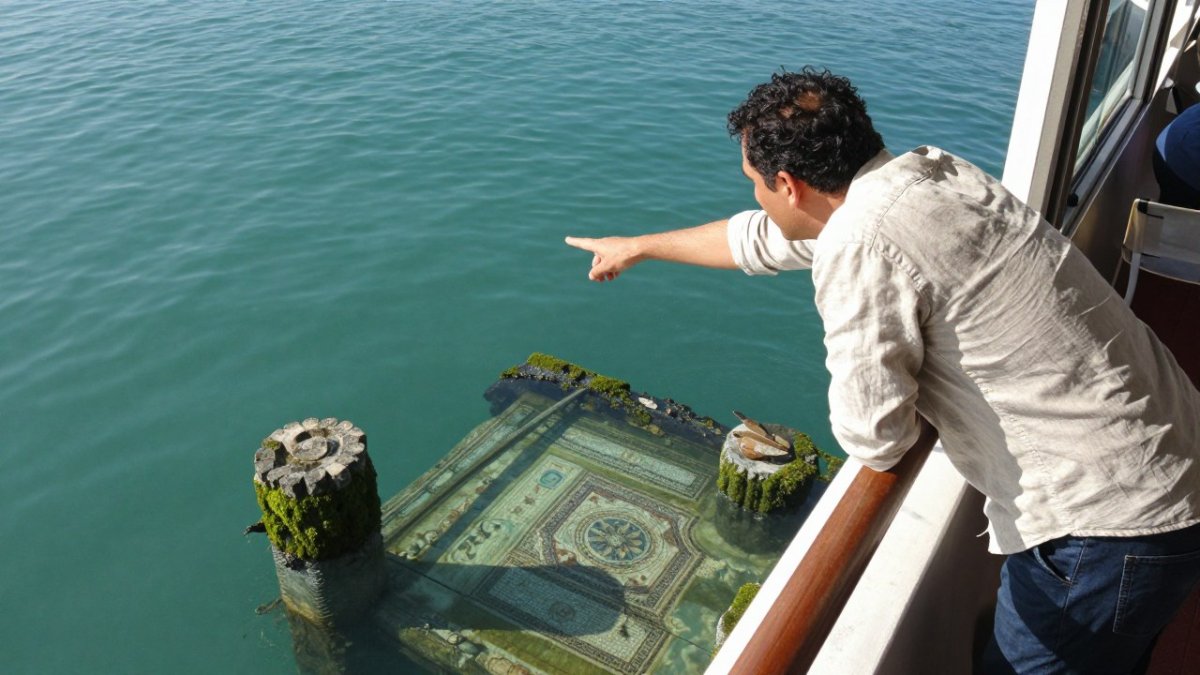
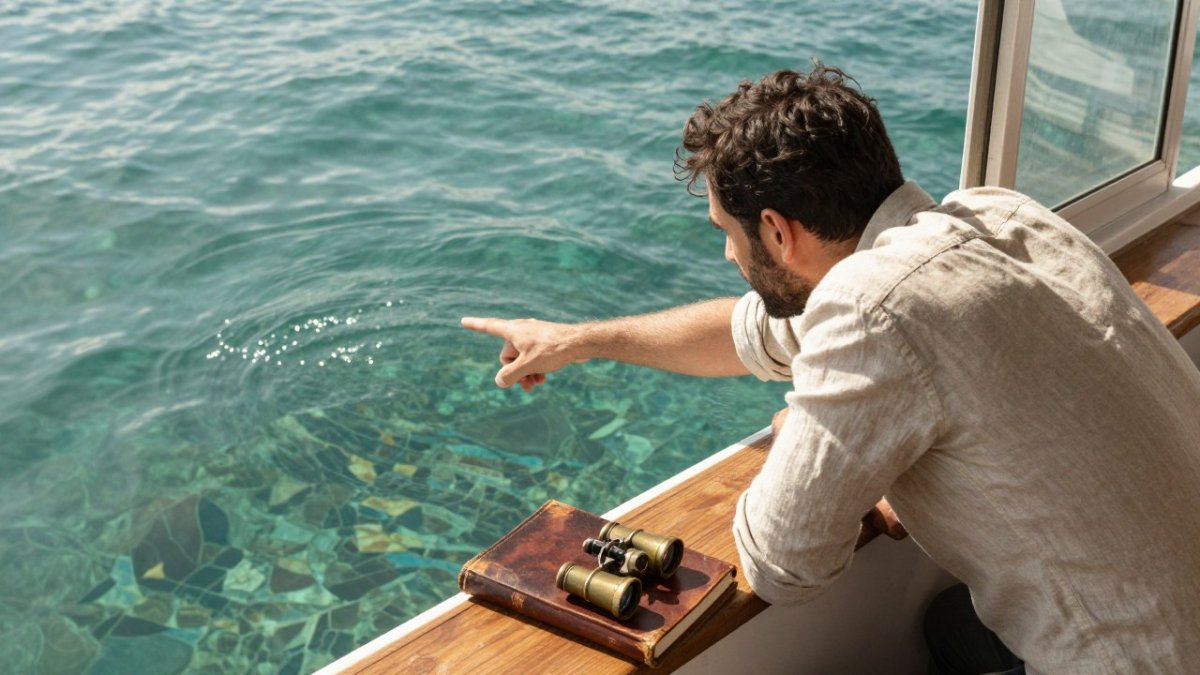
- The sunken city of Baia can be viewed from a glass-bottom boat near Naples.
- Matera's Sassi are rock-carved cave neighborhoods inhabited for thousands of years.
- Remote does not automatically mean hidden; some rewarding sites sit within an hour of major cities.
- Campania's buried cities are reachable by local rail and metro from Naples, so a car is unnecessary there.
Table of Contents
- What Off the Beaten Path Really Means in Italy
- Buried Worlds of Campania: Pompeii, Herculaneum and the Sunken Ruins of Baia
- Off the Beaten Path Italy Things to Do: Myths, Coasts and Forgotten Kingdoms
- Italy Hidden Gems Cities: Matera, Cefalù and Southern Towns Beyond the Crowds
- Building an Off the Beaten Path Italy Itinerary
- 10 Days in Italy Off the Beaten Path: A Sample Route
- Planning Your Own Journey Through Italy's Hidden Past
- Frequently Asked Questions
What Off the Beaten Path Really Means in Italy
Off the beaten path in Italy means more than avoiding the crowds at the Colosseum. At Italian History with Joseph, we define it as places where the history is deep, the sites are real, and the visitor experience is shaped by someone who knows what they are looking at. Italy has more layers of buried and forgotten history than almost any country on earth, and most travelers only ever see the top one.
A common mistake is assuming that remote automatically means hidden. Some of the most rewarding sites sit within an hour of major cities, yet they are skipped because guidebooks give them a single line. The real difference is interpretation: a ruin without context is just stones, while the same ruin explained by a historian becomes a story about emperors, sea routes and daily life.
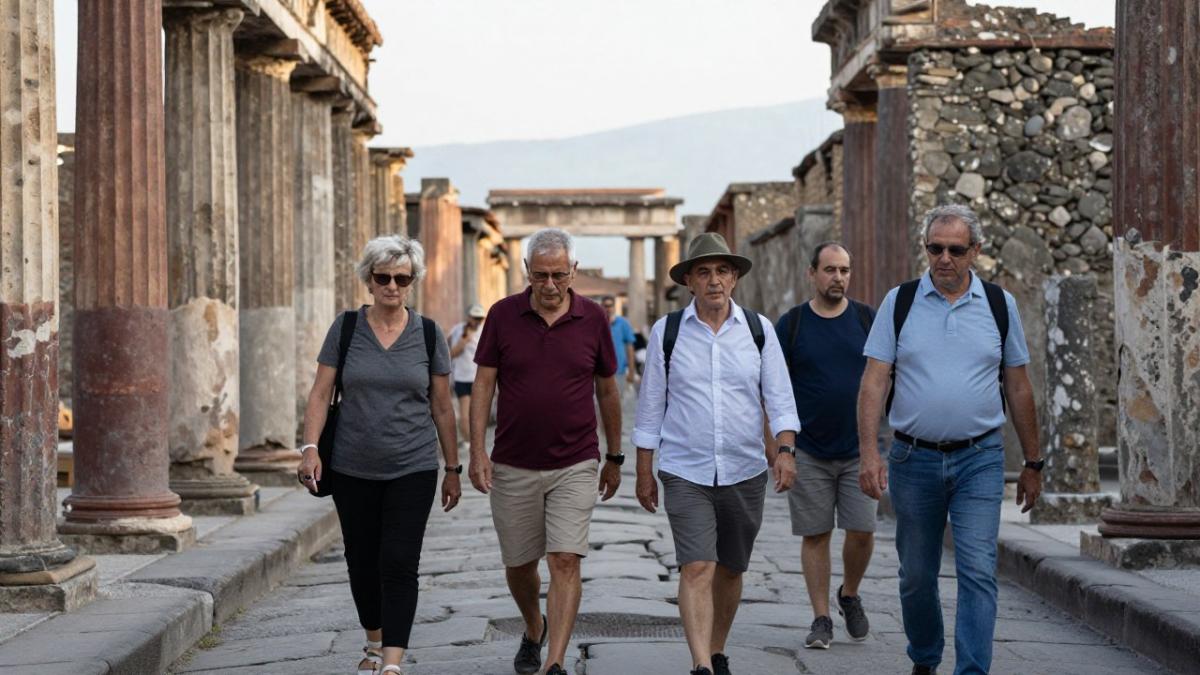
Buried Worlds of Campania: Pompeii, Herculaneum and the Sunken Ruins of Baia
The Bay of Naples is where Roman elites built their seaside villas, and where the sea has since swallowed part of their world. The sunken city of Baia can be viewed from a glass-bottom boat, a rare way to see Roman architecture still lying beneath the waves. Nearby, the Phlegraean Fields, a volcanic zone the Romans associated with the entrance to the underworld, remain geologically active today.
Pompeii and Herculaneum offer the most direct encounter with the past. Both were buried by Vesuvius, and both preserve streets, houses and everyday objects that rarely survive elsewhere. Herculaneum is smaller and often less crowded, which makes it easier to absorb the scale of a single town. Beneath Naples itself, Greek cisterns and Roman tunnels form the Naples Underground, adding another buried layer to the city above.
Our Campania Felix tour covers Baia, Naples Underground and Pompeii in a small-group program, led by a historian. UNESCO World Heritage listing for the Archaeological Areas of Pompeii, Herculaneum and Torre Annunziata confirms the significance of these sites, and Parco Archeologico di Pompei official visitor information lists current opening arrangements. PAGE: Campania Felix tour | Explore the Buried Italy Campania Felix tour
For readers who want a broader list of lesser-known sites, Hidden Archaeological Sites Near Naples: 10 Places Most Tours Miss covers additional locations around the bay.
Off the Beaten Path Italy Things to Do: Myths, Coasts and Forgotten Kingdoms
Italy's coastline is shaped by stories as much as by geography. The Coast of Ulysses, south of Rome near Gaeta, is tied to Homer's Odyssey, and the link between myth and landscape is one of the most enjoyable ways to explore the country. Pairing the sites with the texts that describe them makes the journey far more memorable.
Maritime connections run deeper still. Greek colonies and Italian ports were linked by the same seas, and the Ionian islands carry traces of that exchange. Ancient Greek colonization of southern Italy, Getty Museum overview outlines how these settlements shaped the region, and the myths that traveled with them.
- Follow the coastal route associated with Ulysses between Rome and the Bay of Naples
- Visit Sorrento and the excavated sites of Pompeii for a Roman seaside perspective
- Explore the Ionian sea routes linking Italy and Greece
PAGE: Italian Mosaic tour | Follow the Italian Mosaic coastal itinerary PAGE: Myth and Sea tour | Trace Ulysses's route in Myth and Sea
Italy Hidden Gems Cities: Matera, Cefalù and Southern Towns Beyond the Crowds
Matera is one of the most striking cities in Europe. Its Sassi are rock-carved cave neighborhoods that were inhabited for thousands of years before modern housing replaced them. UNESCO World Heritage listing for Matera, The Sassi and the Park of the Rupestrian Churches documents their significance, and walking through them gives a sense of how people lived with the landscape.
Further south, Calabria holds the remains of Magna Graecia, the Greek cities that flourished on Italy's coasts. Farther north on the Gargano Peninsula, the Grotto of Saint Michael at Monte Sant'Angelo has drawn pilgrims for centuries.
Our Forgotten Kingdom of Southern Italy tour covers Matera, the Gargano and Calabria. PAGE: Forgotten Kingdom of Southern Italy tour | See the 8-day southern Italy tour
Building an Off the Beaten Path Italy Itinerary
A workable off-the-beaten-path itinerary in Italy comes down to four decisions: how you move, when you go, who is traveling, and how you avoid turning a quiet town into the next crowded one.
Transport and access. Rail is excellent between major cities and poor between the small sites that make this kind of trip worthwhile. Campania's buried cities, Pompeii, Herculaneum, the Phlegraean Fields, are reachable by local rail and metro from Naples, so a car is a liability there.
Seasonality. Spring and early autumn give mild temperatures and lighter crowds at open-air archaeological areas. Summer heat makes Pompeii and Paestum uncomfortable by midday, so early starts are not optional. Winter quiets the small towns further but closes some sites and thins ferry and bus schedules.
Accessibility and group suitability. Cave and cliff sites, the Sassi of Matera, the Grotto of Saint Michael at Monte Sant'Angelo, the cliffside at Cefalù, involve steps, uneven ground, and narrow passages.
Responsible travel. The point of going off the beaten path is not to create a new beaten path. Eating where residents eat, avoiding peak-day crowding at fragile sites, and spreading visits across shoulder season all help keep these places from being overwhelmed.
Watch out: assuming "remote" means "uncrowded" is a common error, since some of the most rewarding sites sit within an hour of major cities and can still draw crowds at peak times.
The article's itinerary advice comes down to four decisions, which a quick table can sum up.
| Decision | Key point | Watch out |
|---|---|---|
| Transport and access | Rail works between major cities; a car or guided transfer suits the south | Mix modes by region |
| Seasonality | Spring and early autumn bring mild weather and fewer crowds | Summer heat makes midday visits uncomfortable |
| Accessibility | Cave and cliff sites involve steps and uneven ground | Ask about routes in advance |
| Responsible travel | Shoulder season and off-peak visits help protect fragile sites | Remote does not mean uncrowded |
10 Days in Italy Off the Beaten Path: A Sample Route
Most ten-day Italy itineraries fail for the same reason: they treat the map as the plan.
Days 3-4: Pompeii and Herculaneum. The Circumvesuviana rail line links Naples to both sites directly, which makes a car unnecessary and often slower.
Day 5: The Coast of Ulysses. Move north toward Gaeta and the coastal stretch tied to Homer's Odyssey. This is a driving day; the coastal roads are scenic but slow, and public transport between the smaller towns is thin.
Day 6: Transfer south. This is the long day. Naples to Matera by rail involves a change and typically runs most of a day; by car it is a straightforward but tiring drive.
Days 7-8: Matera. The rock-carved Sassi neighborhoods deserve a full day on foot and a second morning for the rupestrian churches. Ground is uneven and stepped throughout, so plan lighter days if anyone in the group has mobility limits.
Day 9: Calabria and Magna Graecia. Continue south to the Greek colonial sites. A car is effectively essential here; rail coverage is limited and the archaeological areas are spread out. Overnight in a quieter coastal town.
Day 10: Buffer and return. Keep the final day flexible for a return transfer or a relaxed morning before departure. Rushed last days are where most ten-day routes collapse.
Watch out: coastal and island ferry schedules shrink sharply outside the main season, and some smaller archaeological sites close on fixed weekdays, confirm opening days before locking the sequence, or the whole route shifts.
Planning Your Own Journey Through Italy's Hidden Past
Start by choosing one region rather than the whole country. Read a site's background before you go, and allow time for the places that interest you most. Local guides and small-group tours give access and explanation that solo travel rarely matches, particularly at sites with limited signage.
Our programs cover the buried cities of Campania and the stone towns of the south. If you want a route built around the history that matters to you, PAGE: Italian History with Joseph tours | Browse the historian-led tours to see what is on offer.
Frequently Asked Questions
Where can I go in Italy off the beaten path?
Beyond Rome, Florence and Venice, the most rewarding off-the-beaten-path destinations include the Phlegraean Fields near Naples, the submerged city of Baia, the rock-carved neighborhoods of Matera in Basilicata, the Gargano Peninsula with its Grotto of Saint Michael, and the cliffside Duomo of Cefalù in Sicily. Each rewards visitors who come with context, since many of these sites have little signage and are best understood with a historian's commentary. Small-group travel makes access to less-visited areas more practical and more meaningful.
Can you explore Pompeii and Herculaneum beyond the usual tourist route?
Yes. Pompeii's newly restored excavations and the quieter streets of Herculaneum offer a slower pace than the main routes most visitors follow. Visiting with a guide who can explain the houses, workshops and daily life of the people who lived there changes the experience entirely. Plan for a full day across both sites and consider booking early in the morning, when crowds are thinnest.
What are some unusual places to visit in southern Italy?
Matera's Sassi, cave neighborhoods carved into limestone and inhabited for thousands of years, are among the most distinctive places in southern Italy. The Gargano Peninsula's Grotto of Saint Michael at Monte Sant'Angelo has been a pilgrimage site for centuries. In Calabria, the Magna Graecia sites reveal the Greek colonies that shaped the region long before Rome. These destinations reward slow travel and a willingness to explore beyond the coastal resorts.
How many days do you need for an off-the-beaten-path Italy trip?
Ten days allows a meaningful route that combines Campania's buried cities, the coastal stretch associated with Homer's Ulysses, and a visit to a southern cave town such as Matera. Shorter trips of five to seven days can cover one region in depth. Longer journeys allow time for Sicily and the Gargano. Build in buffer days, since rural transport between smaller towns is less frequent than on main rail lines.
What are the best off-the-beaten-path things to do in Italy?
Walk the volcanic craters the Romans regarded as entrances to the underworld near Naples. Take a glass-bottom boat over the submerged ruins of Baia. Explore the Greek cisterns and Roman tunnels beneath Naples. Trace the coast connected with the Odyssey. Stand in the cliffside Duomo of Cefalù, built after King Roger II's storm-tossed landing in 1131. Each activity is most rewarding when paired with expert commentary that links the place to its myths and history.
How can I plan an off-the-beaten-path Italy itinerary?
Start by choosing one or two regions rather than crossing the country, since travel between rural areas takes longer than expected. Group sites by geography, anchor the route around a base city, and allow a full day for each major archaeological site. Check seasonal opening hours, as some smaller museums and sites close for part of the week. Booking a historian-led small-group program can simplify access to sites that independent travelers often miss.
Is Italy's off-the-beaten-path travel suitable for older travelers?
Many off-the-beaten-path sites involve uneven stone paths, steps and walking on volcanic or rocky ground. Matera and the Grotto of Saint Michael require climbing, and Baia's submerged ruins are viewed from a boat. Travelers who prefer a slower pace should ask a tour provider about daily walking distances before booking and plan rest stops within each day's program.