 Comparison
Context Travel Alternatives: Expert-Led History Tours
Table of Contents
- What Makes a Strong Context Travel Alternative
- Historian-Led Tours in Italy: What Sets Them Apart
- Small-Group Cultural Tours Italy: Intimate Experiences Over Mass Tourism
- Academic Travel for Adults: Choosing Scholarly Depth
- History Tours Italy and Greece: Comparing Provider Approaches
- How to Evaluate Tour Providers by Your Needs
- Frequently Asked Questions
Last Updated: October 18, 2026
What Makes a Strong Context Travel Alternative
Planning a history tour in Italy or Greece means choosing among context travel alternatives that determine how deeply you'll understand the places you visit, who guides you, and whether the experience feels rushed or transformative.
A strong context travel alternative shares core qualities: a guide with real scholarly credentials, not a memorized script; a group small enough to hear clearly and ask questions; and an itinerary that reaches beyond the obvious sites to places requiring genuine historical knowledge to interpret.
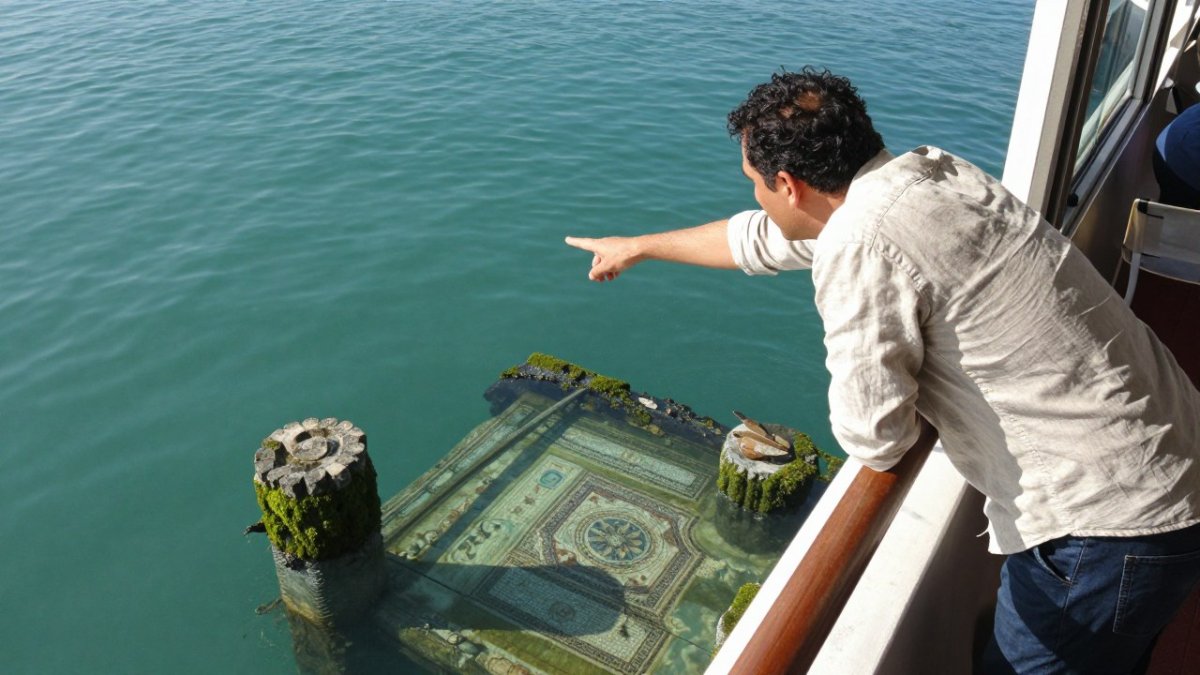
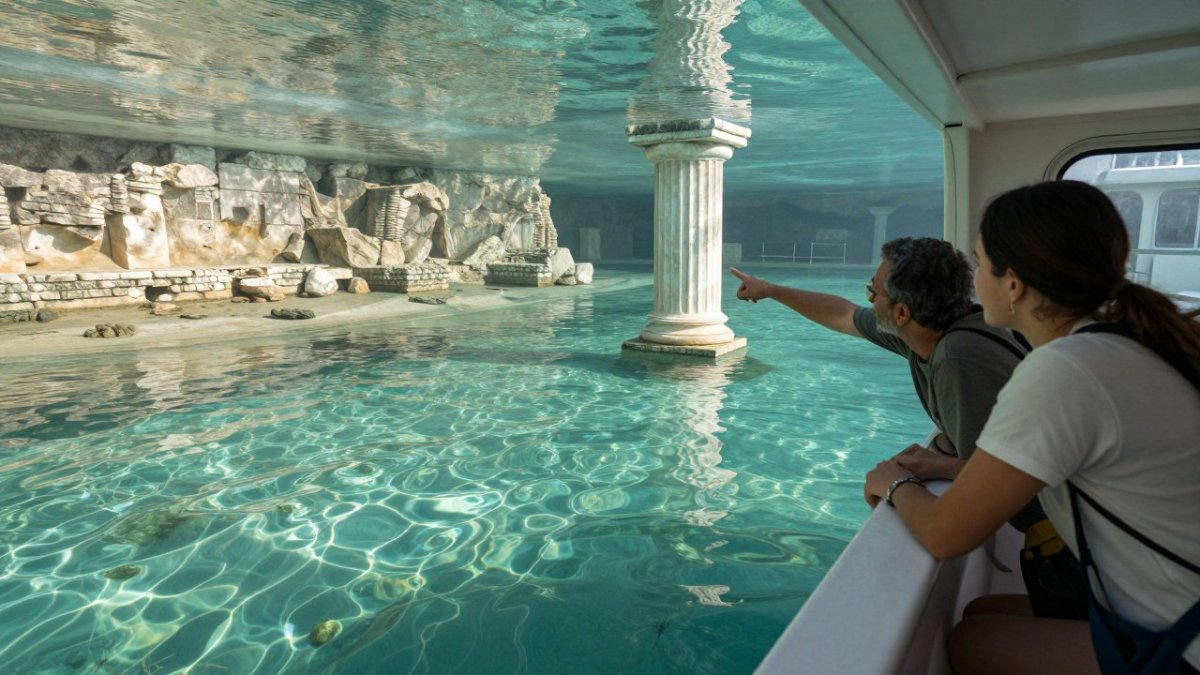
These criteria separate a tour that informs you from one that changes how you see history. Italian History with Joseph, for example, builds each itinerary around over thirty years of research by a historian and author, focusing on sites like the sunken ruins of Portus Julius that most visitors never reach.
Key criteria: guide expertise, group size, and educational depth
Guide expertise shapes everything. A knowledgeable guide explains why a Roman emperor chose a location, how geological shifts buried cities, or what a fresco reveals about daily life two thousand years ago, the difference between sightseeing and understanding.
Group size directly affects your experience. Smaller groups let the guide notice who has questions, adjust the pace, and create an intimate atmosphere where conversation flows naturally.
Educational depth separates tours for casual visitors from those built for people who genuinely want to understand history. The itinerary should feature sites that require expertise to interpret, and the guide should be comfortable diving into complexity: the political tensions of the Roman Republic, the collision between Greek and Roman civilizations, or the geological forces that shaped the landscape.
Historian-Led Tours in Italy: What Sets Them Apart
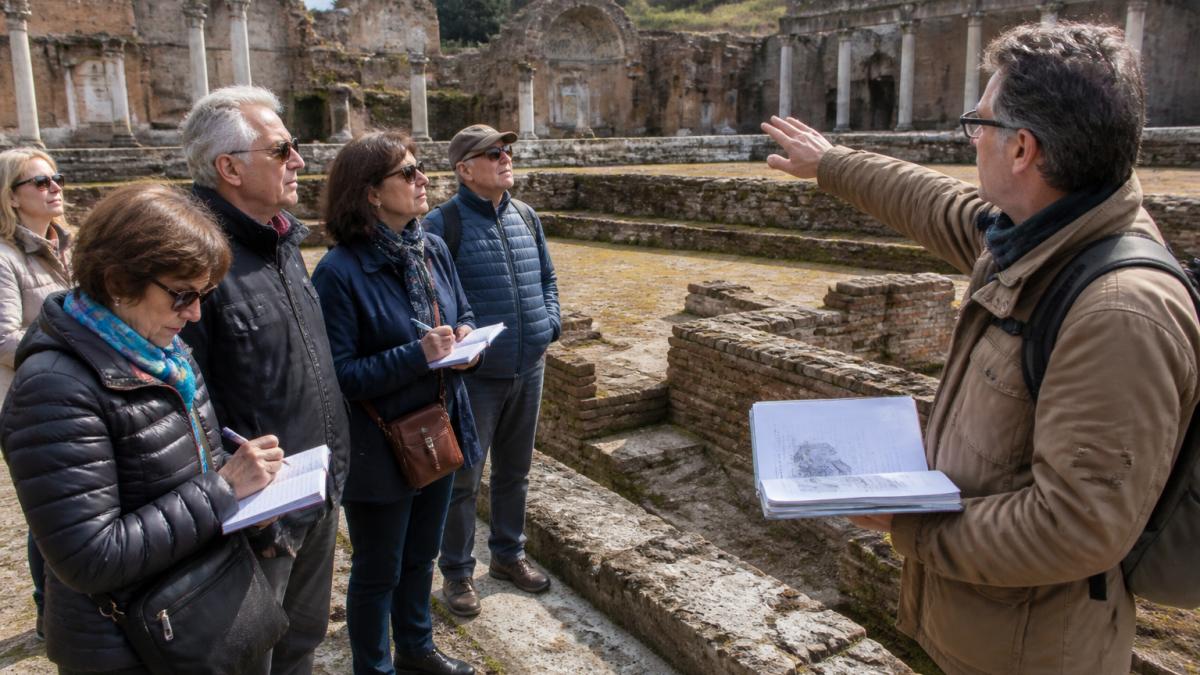
Historian-led tours in Italy operate on a different principle than standard sightseeing. A historian brings research, context, and interpretive skill to every site, helping you understand why it matters and how it connects to the larger story of civilization.
The best historian-led tours in Italy focus on regions where history is layered and complex. Southern Italy saw waves of Greek colonization, Roman conquest, Norman invasion, and centuries of cultural fusion. A historian shows how those layers shaped everything from architecture to cuisine.
Historian led small group Italy programs like those offered by Italian History with Joseph exemplify this approach. His tours skip the standard Rome-Florence-Venice circuit for places like the Phlegraean Fields, volcanic craters the Romans believed were doorways to the underworld, and Herculaneum, where ash and pumice preserved an entire Roman town in a single catastrophic moment.
When you choose a historian-led tour, you're paying for expertise that took years to develop. A guide who has spent thirty years studying Italy's history will notice details, make connections, and answer questions in ways a generalist cannot.
Small-Group Cultural Tours Italy: Intimate Experiences Over Mass Tourism
Small-group cultural tours in Italy solve a real problem: mass tourism obscures the very things you came to experience. When you're one of sixty people crowding into a church or standing in a line that snakes around a ruin, you're enduring logistics, not having an experience.
A small-group cultural tour in Italy changes that dynamic. With a small group, you can hear the guide, linger at a site without feeling rushed, ask a question without holding up a crowd, and have a real conversation with other travelers over a meal.
Small groups also make it possible to visit places larger tours cannot access.
The cultural dimension matters too.
Italian History with Joseph specializes in this scale. Tours are deliberately small, with time for long, unhurried meals featuring regional food, so you experience the places and the people who inhabit them rather than rushing through a checklist.
Academic Travel for Adults: Choosing Scholarly Depth
Academic travel for adults isn't about sitting in a classroom.
The best academic travel for adults combines several elements. First, the guide must have genuine scholarly credentials, so their professional reputation depends on accuracy and depth.
Second, the itinerary should be designed around learning objectives, not just scenic beauty, visiting sites in an order that builds understanding.
Third, academic travel should include time for reflection and discussion, whether during meals or walks between sites. The guide should encourage questions and be comfortable saying "historians disagree about this" rather than pretending certainty.
For adults who have built expertise in their own fields, academic travel offers something different from typical tourism: engaging with history at the level you engage with your own profession, seriously and with intellectual rigor.
History Tours Italy and Greece: Comparing Provider Approaches
When comparing history tours in Italy and Greece, different providers emphasize different strengths: archaeological expertise, comfort and luxury, or specific regions and time periods. Understanding these differences in context travel alternatives helps you choose the right fit.
Italian History with Joseph takes an approach built on deep research and genuine access. Tours visit sites most visitors never reach, like Portus Julius, a submerged Roman port requiring specialized knowledge to interpret.
Other providers take different approaches. Some emphasize luxury accommodations and high-end dining, others focus on breadth, covering more sites in less time. Some operate larger groups for less personalized attention.
The key difference isn't that one approach is universally better; they serve different priorities. If scholarly depth and genuine access to significant sites matter most, historian-led small-group tours make sense. If comfort and convenience matter most, you might choose differently. If budget matters most, larger groups may fit.
Walking tours and sightseeing experiences
Walking tours form the backbone of most history tours in Italy and Greece. You're moving through landscapes where history happened, seeing how geography shaped events, noticing details that photographs miss.
A good walking tour balances several things. The pace should be sustainable, fast enough to cover meaningful ground, slow enough that you can actually absorb what you're seeing. The guide should point out details: how a building's architecture reflects its historical period, how the layout of a city reveals its priorities, how natural features influenced human settlement.
The best walking tours also include downtime. You're not walking constantly. You stop at significant sites. You sit in a café. You have a meal. These pauses matter because they give your mind time to process what you've learned.
Off-the-beaten-path access and curated itineraries
Off-the-beaten-path access is what separates a generic tour from one that genuinely enhances your understanding. Many tourists visit Rome, Pompeii, and the Amalfi Coast because those are the obvious choices. A curated itinerary might include those sites but adds places that require expertise to access and interpret.
This might mean visiting the Phlegraean Fields, where volcanic geology shaped Roman mythology. It might mean exploring Herculaneum, which is less crowded than Pompeii but equally significant. It might mean visiting Matera, with its ancient cave dwellings carved into rock, or the Gargano Peninsula, where medieval pilgrims and local history intersect.
Off-the-beaten-path doesn't mean obscure for the sake of being obscure. It means places that are genuinely significant but require a guide's knowledge to understand why, access a typical tourist cannot arrange independently.
How to Evaluate Tour Providers by Your Needs
Choosing the right history tour provider means being clear about what matters most to you. Different travelers prioritize different things, and the best choice for one person might not be the best for another.
Start by identifying your non-negotiables. Do you need a guide with academic credentials? Do you require small groups? Is physical accessibility important? Do you want to visit specific regions or time periods? Does the itinerary need to include certain sites? Your answers narrow the field significantly.
Then consider the trade-offs. A tour with a world-class guide and genuine access to significant sites might cost more than a standard tour. A tour focused on deep expertise might move more slowly than one designed for maximum coverage.
Budget and value considerations
Budget matters, but it's worth understanding what you're actually paying for. A more expensive tour might offer better value if it includes a guide with genuine expertise, smaller groups, or access to sites you couldn't reach independently.
When comparing costs, look at what's included. Does the tour cover meals? Does it include entrance fees to sites? Is accommodation included or separate? Are there optional activities with additional costs? A tour that appears cheaper might have significant add-on costs.
Consider also what expertise costs. A guide with a PhD in classical archaeology, who has published research and spent decades studying Italy's history, brings something a general tour guide cannot. That expertise has real value if you want to understand history at depth.
Booking flexibility and cancellation policies
Travel plans change. You might need to shift dates, or circumstances might force you to cancel entirely. Before booking, understand the provider's policies.
Guaranteed departures are valuable. Some tour operators only run a tour if enough people book. Others guarantee that the tour will happen regardless of group size. If you're planning around specific dates, a guaranteed departure matters.
Accessibility and group dynamics
Physical accessibility varies significantly. Some tours involve substantial walking on uneven terrain. Others include steps, narrow passages, or sites without modern facilities.
Group dynamics matter too. You're spending days with the same people. A group of travelers with similar interests and energy levels creates a better experience than a mismatched group.
Ask how many people will be in your group. Ask about the typical age range and background of travelers. Ask whether the guide adjusts the pace and depth based on the group's interests.
| Evaluation Factor | Why It Matters | What to Ask |
|---|---|---|
| Guide Expertise | Determines depth of interpretation and access to significant sites | What are the guide's credentials? What research or publications inform the itinerary? |
| Group Size | Affects your ability to hear the guide, ask questions, and experience intimacy | How many travelers maximum? What's the typical group size? |
| Itinerary Design | Determines whether you'll visit obvious sites or genuinely significant places | Which sites are included? Why were they chosen? What makes them significant? |
| Physical Demands | Affects whether you can participate fully | How much walking daily? What terrain? Are there accessibility options? |
| Booking Terms | Determines your flexibility and financial risk | What's the cancellation policy? Are departures guaranteed? |
| Meals and Logistics | Affects your experience of local culture and daily comfort | What meals are included? Where do you stay? How do you move between sites? |
Finding your ideal history tour experience means matching a provider's strengths to your priorities. If you value scholarly depth and genuine access to significant sites, historian-led small-group tours deliver that.
Italian History with Joseph represents one approach, tours designed by a historian with over thirty years of research, small groups that allow genuine conversation, and access to sites most visitors never reach.
Frequently Asked Questions
What should I look for in a Context Travel alternative?
Prioritize expert credentials and guide knowledge. Look for providers whose guides have scholarly backgrounds or decades of on-site research experience, not just script-reading capability. Verify group size limits, smaller groups allow for conversation and personalized attention. Check whether the itinerary includes off-the-beaten-path sites and genuine local connections, not just major tourist attractions. Read independent traveler reviews to assess whether past guests felt the educational depth matched the cost.
How do historian-led tours in Italy differ from standard guided tours?
Historian-led tours in Italy go beyond reciting facts at famous sites. Guides with academic training or deep research backgrounds interpret history through primary sources, local archaeology, and scholarly context. They answer questions that go beyond guidebooks, connect sites to broader historical narratives, and often share exclusive access to lesser-known ruins and locations. The conversation is two-way: you're learning alongside someone with genuine expertise, not being lectured at.
Are small-group cultural tours Italy worth the premium cost compared to larger tours?
Small-group cultural tours Italy justify their cost through guide attention, intellectual rigor, and access. Smaller groups allow guides to adapt pacing and depth to participant interests. You'll have time for meaningful conversations with locals, unhurried meals at family-run restaurants, and the ability to ask follow-up questions without holding up 40 other people. Many premium providers also negotiate access to sites closed to large groups or offer curated itineraries that take months to research and arrange.
What is the difference between academic travel for adults and regular sightseeing?
Academic travel for adults prioritizes intellectual stimulation and scholarly interpretation over checking off landmarks. Tours are structured around historical themes or research questions, not just geographic convenience. Guides have credentials or expertise in their subject matter. The pace allows time for reflection and deeper learning. Many academic tours include readings before departure. The goal is understanding, not just visiting.