 How-to
What Justifies Luxury History Tour Costs?
Last Updated: November 17, 2026
Quick Summary
A luxury history tour justifies its cost through the historian guide's expertise, access to sites that take expert arrangement to reach, and small-group travel that allows deeper interpretation. Compare offers by what the price includes, not the headline figure.
- Judge a guide by credentials, such as a relevant degree or published research, not just their title.
- Ask the operator for a written breakdown of what the price covers before booking.
- Compare guide time per day and which entrance fees and meals are included across offers.
- Check whether the itinerary names specific sites you can verify independently.
- Confirm daily walking distances and whether the route can be adjusted for mobility needs.
Table of Contents
- What a Luxury History Tour Actually Includes
- Breaking Down the Cost: Where Your Money Goes
- How to Compare Guided Tours Side by Side
- Why Historian-Led Tours Change the Value Equation
- What to Look for in a Tour Itinerary
- Small-Group History Tours Versus Large Coach Trips
- Booking Your Historian-Led Tour in Italy
- Frequently Asked Questions
What a Luxury History Tour Actually Includes
Italian History with Joseph designs each journey around a single idea: you should leave understanding the places you visited, not just photographing them. That is the core of what justifies luxury history tour costs. When you compare offers, look past the hotel stars and ask what the price buys in access, interpretation and time.
A luxury history tour can bundle several elements into one fee: a historian as guide, small-group travel, and planned routes through sites that take expert arrangement to reach. Some of these are visible on the itinerary. Others only become apparent once you are standing in a site that most visitors never see.
The historian-led format matters most. A guide with research depth can explain why a place mattered, not only what it is. That difference shapes the whole day.
Breaking Down the Cost: Where Your Money Goes
When judging a luxury history tour, it helps to ask what the cost covers and to request that breakdown in writing before booking.
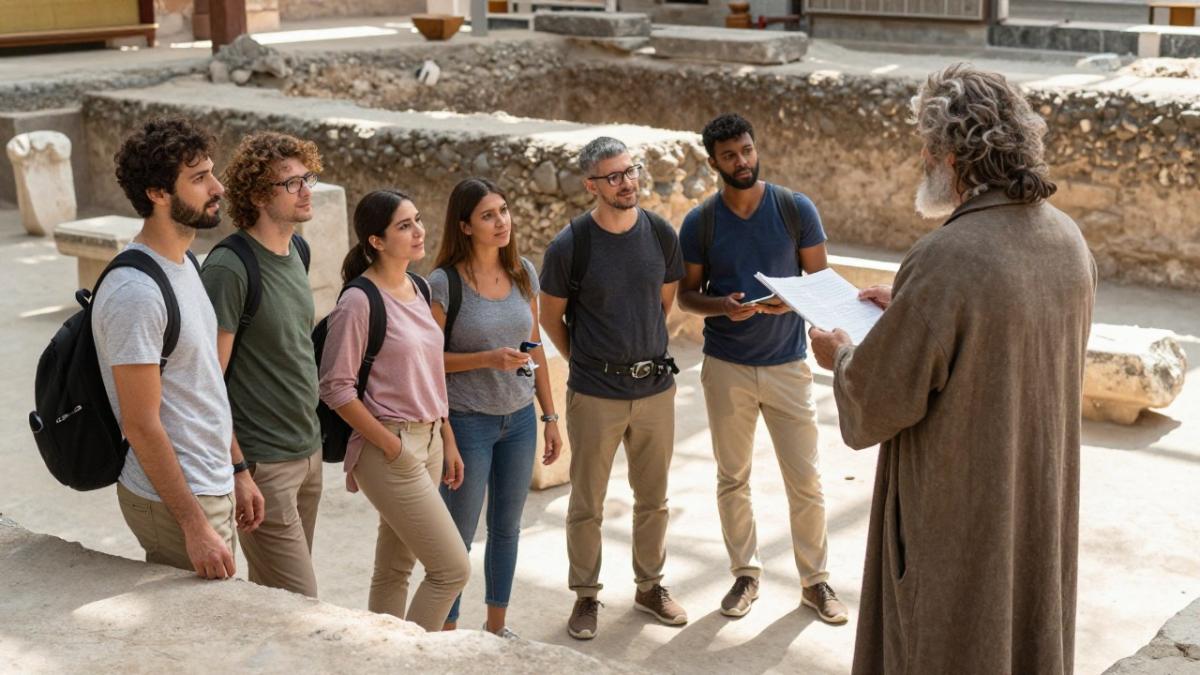
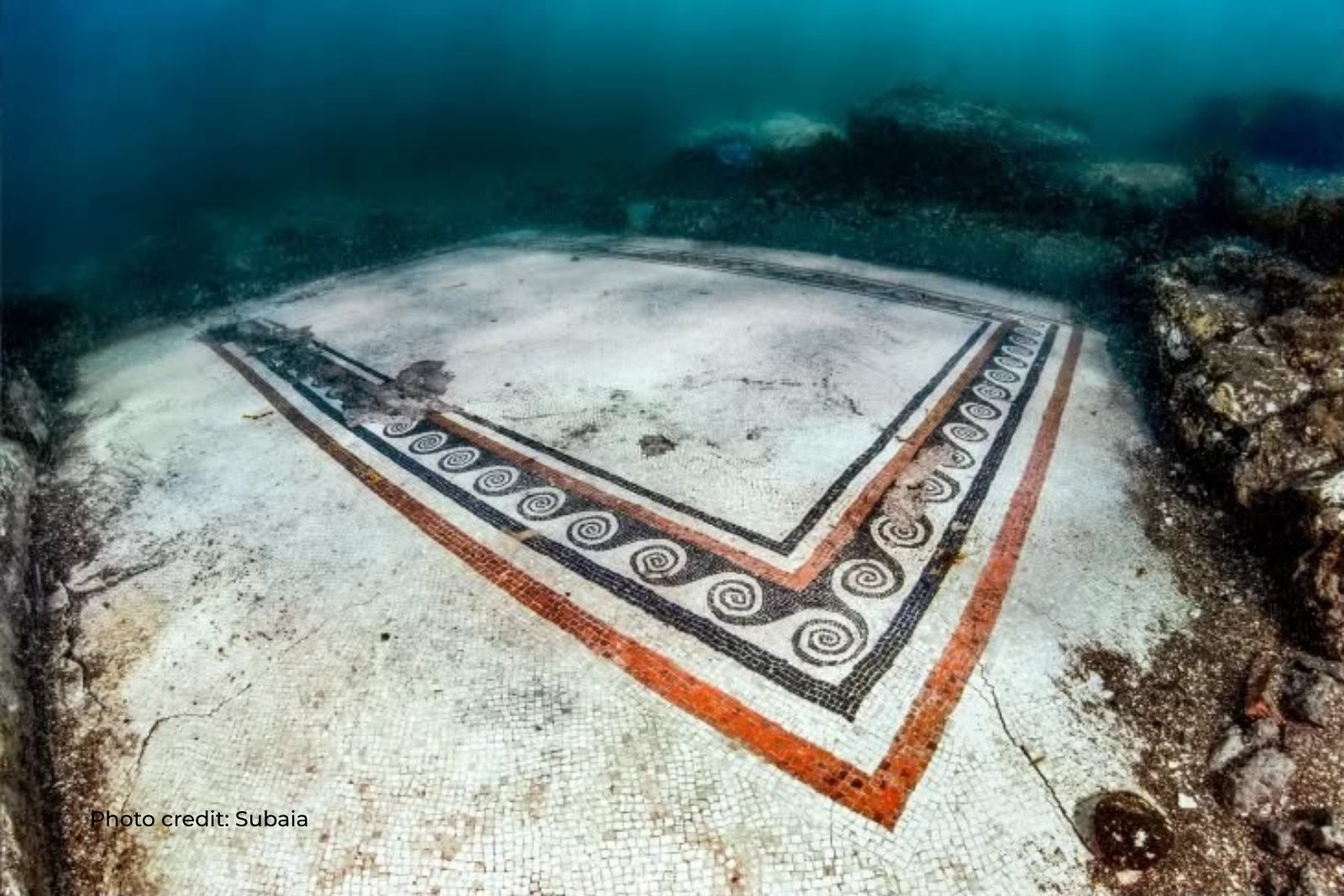
When assessing a guide, look at credentials rather than titles: a relevant degree or published research, a track record of leading groups in the specific region, and evidence of storytelling ability. A guide who can explain why the Phlegraean Fields were treated as doorways to the underworld, and then connect that belief to the harbour works at Portus Julius, is delivering interpretation, not just escorting.
Accommodation and transport are the visible costs, and their contribution depends on location and season. A hotel within walking distance of the day's sites reduces daily transfers and adds time at the sites.
Access is the least visible part of a tour. Some sites require advance permissions, timed entry or a specialist route, and arranging those takes local relationships and lead time.
Group size changes the arithmetic. Small groups offer more interaction and flexibility than large coach trips, though the per-person cost is typically higher.
Ask any operator for the split in writing before booking, and compare guide time per day across offers.
How to Compare Guided Tours Side by Side
Comparing a luxury history tour against other offers works best when you line up the same criteria. Price per day alone is misleading, because a cheaper tour may exclude entries, meals or guide time.
Use these questions as a checklist:
- Who leads the tour, and what is their subject expertise?
- What is the group size, and are departures guaranteed?
- Which sites are included, and which require extra payment?
- Are entrance fees, transfers and key meals covered?
- What is the walking pace and daily schedule?
| Factor | Standard coach tour | Small-group historian-led tour |
|---|---|---|
| Guide | General tour escort | Specialist historian |
| Group size | Often 30+ people | Small group |
| Site access | Main sites only | Includes lesser-visited sites |
| Pace and flexibility | Fixed schedule | Adjusted to the group |
| Price per person | Lower | Higher |
Judge the value by what you actually receive, line by line, rather than by the headline figure.
Why Historian-Led Tours Change the Value Equation
Historian-led tours change the value equation because the guide's knowledge is the product. Joseph Walker, author of Buried Italy, has spent more than thirty years researching and guiding in Italy and has guided more than three thousand groups. Small-group programs such as the Historian led small group Italy programs are built on this historian-led format.
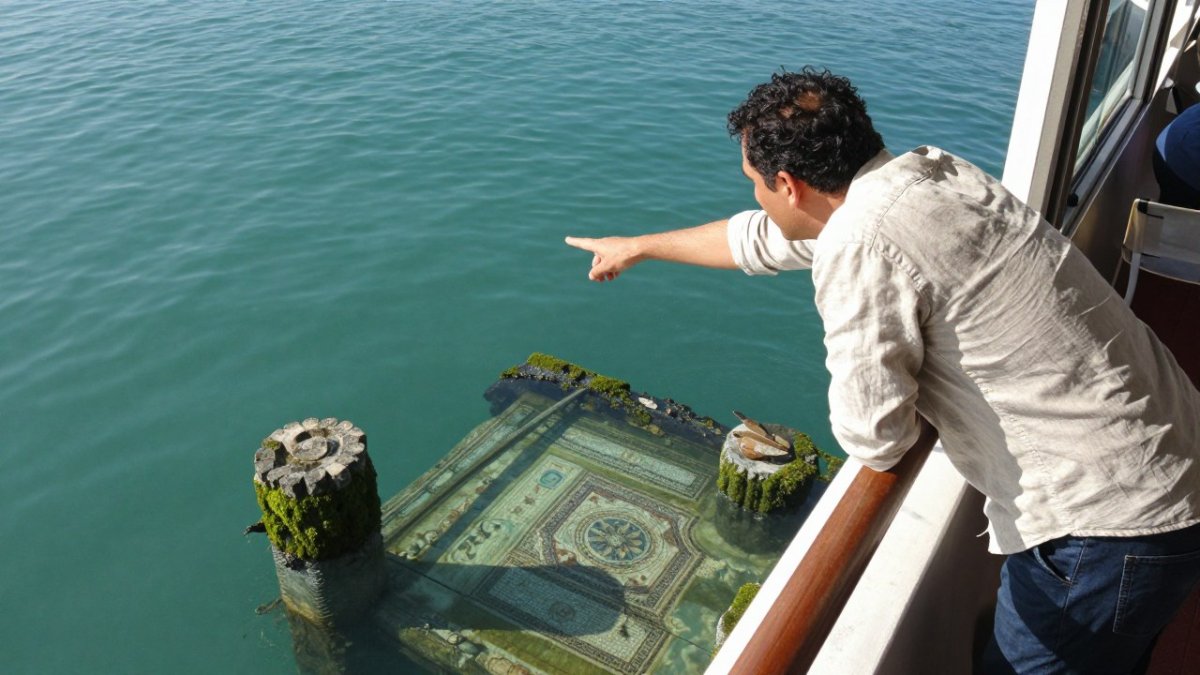
The practical benefit is interpretation. Standing above the sunken ruins of Portus Julius, for example, means little without context about why the harbour was built and what it reveals about Roman power. A specialist turns that moment into understanding.
This is the part of the cost that is hardest to measure. Ask yourself how much you would pay to avoid a day of disconnected facts and gain a day of clear, connected history instead.
What to Look for in a Tour Itinerary
A well-built itinerary shows its reasoning, and the strongest signal is sequencing: sites linked by theme or story so each day builds on the last, rather than a list of destinations. The Campania Felix / Buried Italy route is one example. It moves through the Phlegraean Fields, where Romans believed the volcanic craters were doorways to the underworld; to Baia; to Portus Julius; then underground into the Greek cisterns and Roman tunnels beneath Naples; and finally to Paestum, Herculaneum and Pompeii, cities frozen in time by Vesuvius.
Look for the same logic in any itinerary you are considering. Specific sites named, so you can check them independently, are a good sign. Vague descriptions such as "explore historic sites" tell you very little about what you will actually see. Equally, check whether the route includes places reached through expert arrangement rather than simple ticket purchase, a specialist route, a timed slot, a boat, or a permission that independent travelers cannot easily secure. That access is part of what the price buys, and it should be visible on the page.
Pace and accessibility deserve the same scrutiny. History tours often involve uneven ground, stairs and heat, and a reputable operator will state daily walking distances and the hardest day honestly. For multigenerational groups or travelers with mobility needs, ask whether the route can be adjusted, shorter days, vehicle transfers to site entrances, or alternative sites, and whether that customization changes the price. A thoughtful itinerary also leaves time for meals and conversation with local people, because that is where much of the understanding actually happens.
Watch out: an itinerary that lists many sites per day without travel times is usually overpacked, and the hidden cost is meaningful time at each site. Compare the number of sites against the number of days and ask how long you will actually stand in front of the ruins, that value-per-hour figure is a better measure than the headline site count.
Small-Group History Tours Versus Large Coach Trips
Small-group history tours and large coach trips suit different travelers. Coach trips often have fixed schedules, which can work well for a first visit to major landmarks.
Small groups can give you more access to the guide and a quieter experience at busy sites. Because a small group means spending a lot of time with the same people, it is worth asking the operator how group composition is managed before you commit.
Walking fitness also varies between tours, so check the daily pace against your own comfort.
Booking Your Historian-Led Tour in Italy
If you are considering a historian-led tour, start by comparing the itinerary, guide credentials and inclusions as set out above. Then contact the team directly to confirm dates, group size and what is covered. You can request a planning call with Joseph Walker to talk through your interests, or browse the full range of small-group, historian-led journeys to find the route that fits.
When you are ready, contact us about a planned small-group tour. Ask for the itemised breakdown described above, so you can judge the value for yourself. Consider the Italian Mosaic itinerary as an example of how a multi-day route is designed, and read about the background of the team on the about page to see the experience behind each journey.
Get in touch with Italian History with Joseph and plan an Italy journey built around the stories behind the sites.
Frequently Asked Questions
What makes a history tour worth the cost?
A history tour is worth its price when the cost buys things you cannot easily get alone: a guide with real scholarly knowledge, access to sites that are restricted or closed to independent visitors, and interpretation that explains what you are looking at. Compare what is included, such as entry fees, transport between sites, and guide time, against what you would pay to arrange those elements yourself. If the itinerary gives you depth and access you would not otherwise have, the premium is usually justified. If it mainly adds comfort and a nicer hotel, weigh that against your own priorities.
Is a historian-led tour better than a standard guided tour?
It depends on what you want from the day. A standard guided tour is efficient for a first look at a city and its highlights. A historian-led tour focuses on interpretation, context and the reasons sites matter, which suits travelers who want to understand the history rather than just see the monuments. Ask the operator who leads the tours, what their research background is, and whether the guide is the same person throughout the trip. Continuity of one expert usually produces a more coherent experience than a rotating roster of local guides.
How can I tell whether a tour guide has genuine expertise?
Look for verifiable credentials: published books, academic or research background, years of guiding in the region and the languages spoken. Ask specific questions about the sites on the itinerary and notice whether the answers go beyond a scripted summary. A knowledgeable guide will discuss the sources behind claims, acknowledge where scholars disagree and answer follow-up questions in depth. Reviews from past travelers that mention the quality of interpretation are also useful evidence.
What questions should I ask before booking a history tour?
Ask what is included in the price and what is not, including entry tickets, meals, transport and tips. Find out the group size, whether departures are guaranteed and what happens if the group does not fill. Ask which sites are visited that are not on standard tour routes, how much time is spent at each one and how much walking is involved. Confirm the guide's credentials and what support is available if you become unwell or a plan changes during the trip.