 Listicle
Hidden Archaeological Sites in Italy Worth the Detour
Last Updated: November 15, 2026
Quick Summary
The hidden archaeological sites in Italy include the submerged Roman city of Baia, viewed from a glass-bottom boat, and the Phlegraean Fields, volcanic craters the Romans believed were doorways to the underworld. Paestum, Herculaneum and Matera round out the most rewarding detours, most within an hour of Naples.
- A glass-bottom boat at Baia reveals paved streets and mosaic pavements without diving.
- Book Baia boat trips in the morning, when the bay is usually flattest.
- Two separate rail systems serve the Bay of Naples, so check which line goes where.
- A car is strongly recommended for the spread-out crater sites of the Phlegraean Fields.
- Late spring, early autumn and winter bring thinner crowds than July and August.
Table of Contents
- Beyond Pompeii: Why Italy's Hidden Archaeological Sites Matter
- The Submerged Ruins of Baia: Italy's Sunken Roman City
- The Phlegraean Fields: Craters the Romans Called Doorways to the Underworld
- Ancient Ruins in Southern Italy: Paestum, Herculaneum, and the Forgotten Kingdom
- How to Reach These Hidden Sites as an Independent Traveler
- When to Go: Seasonal Strategies for Avoiding Crowds
- What the Guidebooks Leave Out: Digital Reconstruction and Accessibility
- Planning Your Historian-Led Journey Through Hidden Italy
- Frequently Asked Questions
Beyond Pompeii: Why Italy's Hidden Archaeological Sites Matter
Italy's buried past extends far beyond the famous gates of Pompeii. The hidden archaeological sites in Italy reward travelers who leave the coach queues behind, and this guide from Italian History with Joseph maps the ones we return to year after year. Most visitors never reach these places. That is precisely the point.
Take the Phlegraean Fields, where Roman poets placed the entrance to the underworld. Or Baia, a resort town now resting on the seabed. These are not minor footnotes to antiquity. They are chapters of the story that guidebooks trim for space.
Below, we show you exactly where to go, how to get there, and when to avoid the crowds. But first, here is what most guides get wrong: they treat "hidden" as a synonym for "hard to reach." It isn't. Many of these sites sit within an hour of Naples.
UNESCO World Heritage Centre listing for the Archaeological Areas of Pompeii, Herculaneum and Torre Annunziata
The Submerged Ruins of Baia: Italy's Sunken Roman City
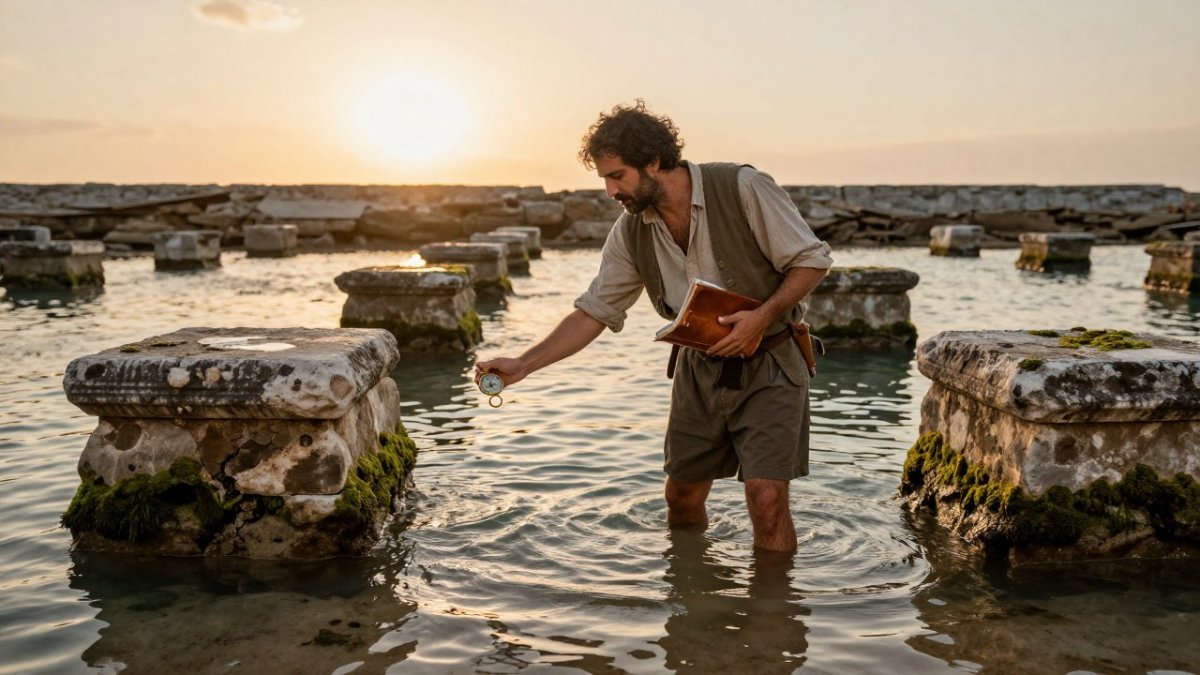
The submerged ruins of Baia form one of the Mediterranean's most extraordinary archaeological parks. Roman senators built seaside villas here, and when the ground sank, the sea took them whole. Today the mosaic floors and column bases remain intact underwater.
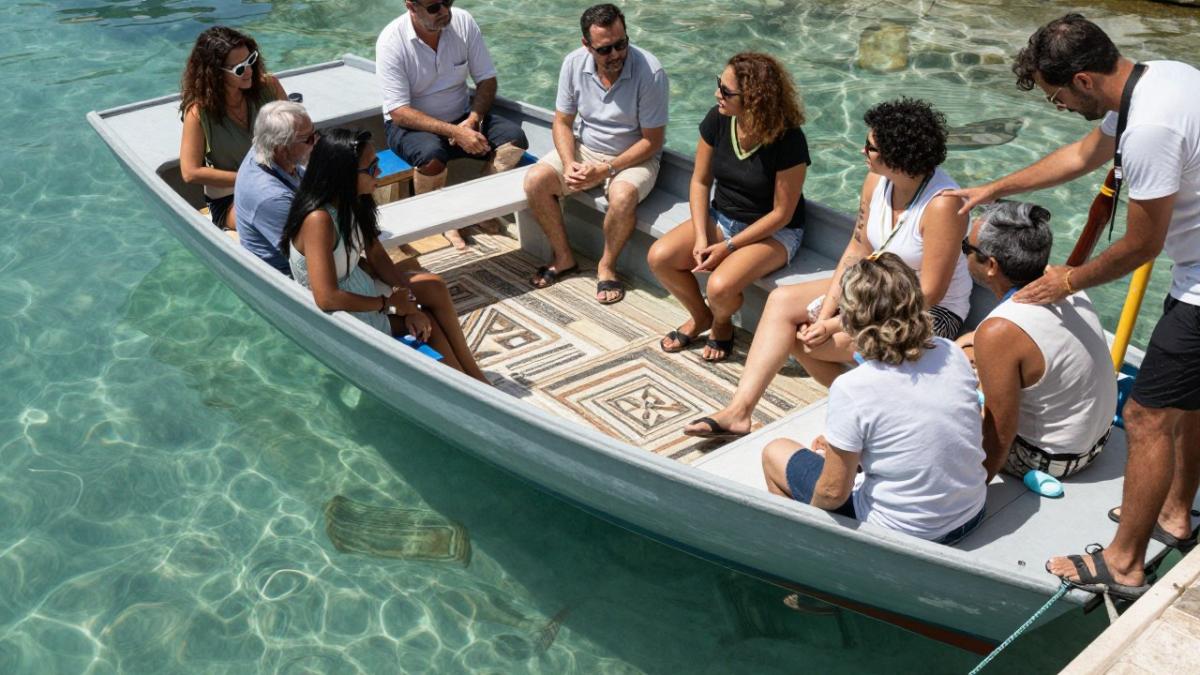
Baia was the ancient equivalent of a luxury resort. Emperors kept villas along this shoreline. The volcanic ground beneath it shifted over centuries, dropping the town below the waterline.
What You Can See from a Glass-Bottom Boat
A glass-bottom boat gives you a direct view of the sunken city without diving. You will see paved streets, mosaic pavements, and the outlines of rooms. Some visitors describe it as flying over a Roman town.
The experience is weather-dependent. Calm water makes the view sharp; choppy conditions cloud it. That is a practical reason to book mornings, when the bay is usually flattest.
If this is the highlight you want, our Buried Italy Series - Campania Felix sails directly over the sunken city of Baiae on an eight-day small-group tour.
For a broader look at this kind of experience, see our guide to guided tours of sunken ruins.
The Phlegraean Fields: Craters the Romans Called Doorways to the Underworld
The Phlegraean Fields are a sprawling volcanic landscape west of Naples, and the Romans believed certain craters there were gateways to the underworld. Virgil placed the entrance to Hades in this region in the Aeneid.
The area holds more than craters, including Greek cisterns beneath Naples and Roman tunnels.
For a deeper list of lesser-known places in this area, read our guide to hidden archaeological sites near Naples.
Ancient Ruins in Southern Italy: Paestum, Herculaneum, and the Forgotten Kingdom
Southern Italy holds three of the most rewarding ancient ruins in the country. Paestum preserves Greek temples. Herculaneum is smaller than Pompeii and offers a quieter visit. And beyond them lies the forgotten kingdom of the south.
Paestum sits south of Salerno, its three Doric temples standing in open fields. Herculaneum, closer to Naples, offers a quieter alternative to Pompeii's crowds.
Matera and the Cave Worlds of the South
Matera is a stone-carved world built into a ravine, with cave neighborhoods inhabited across millennia. The Sassi districts show how deeply pre-Roman and medieval life layered onto the same rock.
Our Buried Italy Series - The Forgotten Kingdom of Southern Italy covers Matera's cave cities and the Magna Graecia sites in Calabria.
How to Reach These Hidden Sites as an Independent Traveler
Independent travel to these sites is entirely doable, and it is often the most rewarding way to see them. The Bay of Naples is your base for Baia, the Phlegraean Fields, and Herculaneum. Trains and local buses reach all three, though connections to the smaller sites require patience and a working knowledge of which line goes where.
The single most useful transport fact for this region is that two separate rail systems serve the Bay of Naples.
| Site | Best Base | Getting There | Time Needed |
|---|---|---|---|
| Baia | Bacoli or Naples | Cumana/Circumflegrea to Pozzuoli or Fusaro, then local bus or a short taxi; a car is easier for the Baia archaeological park and the glass-bottom boat departure point | Half day |
| Phlegraean Fields | Pozzuoli | Metro Line 2 or Cumana to Pozzuoli, then local bus; a car is strongly recommended for the crater sites and Solfatara-area stops | Full day |
| Herculaneum | Naples or Ercolano | Circumvesuviana to Ercolano Scavi, then a short walk downhill to the site entrance | Half day |
| Paestum | Salerno | Regional train from Salerno toward Paestum station, then a short walk to the temples | Half day |
| Matera | Bari or Matera itself | Train from Bari to Matera Centrale, then local bus or a walk into the Sassi | Full day |
A car helps most in the Phlegraean Fields, where buses are infrequent and the sites are spread across a volcanic landscape rather than clustered in a town. For Paestum and Matera, rail plus a short bus or walk works well, and both are realistic day trips from a larger base.
For travelers who want to skip the logistics entirely, our Buried Italy Series - Campania Felix covers the Campania sites in a small-group tour.
Check the official park calendar before building a day around a smaller site, as opening hours vary.
When to Go: Seasonal Strategies for Avoiding Crowds
Timing decides whether a hidden site feels hidden. Late spring and early autumn bring mild weather and thinner crowds at the secondary sites. July and August push even the quieter ruins toward capacity, and the heat on exposed sites like Paestum and the Phlegraean Fields makes midday walking unpleasant.
Crowd patterns vary by site, so check conditions locally on arrival. Calm morning water generally gives a clearer view from a glass-bottom boat at Baia.
Winter is underrated. Paestum's temples in low light, with few visitors, are worth the cooler weather, and the Phlegraean Fields are more comfortable to walk without summer heat. The trade-off is that opening hours shorten in the off-season and some smaller sites reduce their days, so confirm the calendar before committing.
Our Buried Italy Series - The Forgotten Kingdom of Southern Italy covers Matera's cave districts and the Magna Graecia sites.
Watch out: seasonal opening hours at smaller archaeological parks can change with little notice, and a site that is open daily in summer may close one weekday in winter, always check the official park page the week you travel rather than relying on a guidebook printed earlier.
What the Guidebooks Leave Out: Digital Reconstruction and Accessibility
Digital reconstruction has changed how visitors read a ruin.
Accessibility varies widely. Herculaneum's excavated streets are more navigable than Pompeii's, but uneven ground is common everywhere.
Archaeological Park of Herculaneum official visitor information
Planning Your Historian-Led Journey Through Hidden Italy
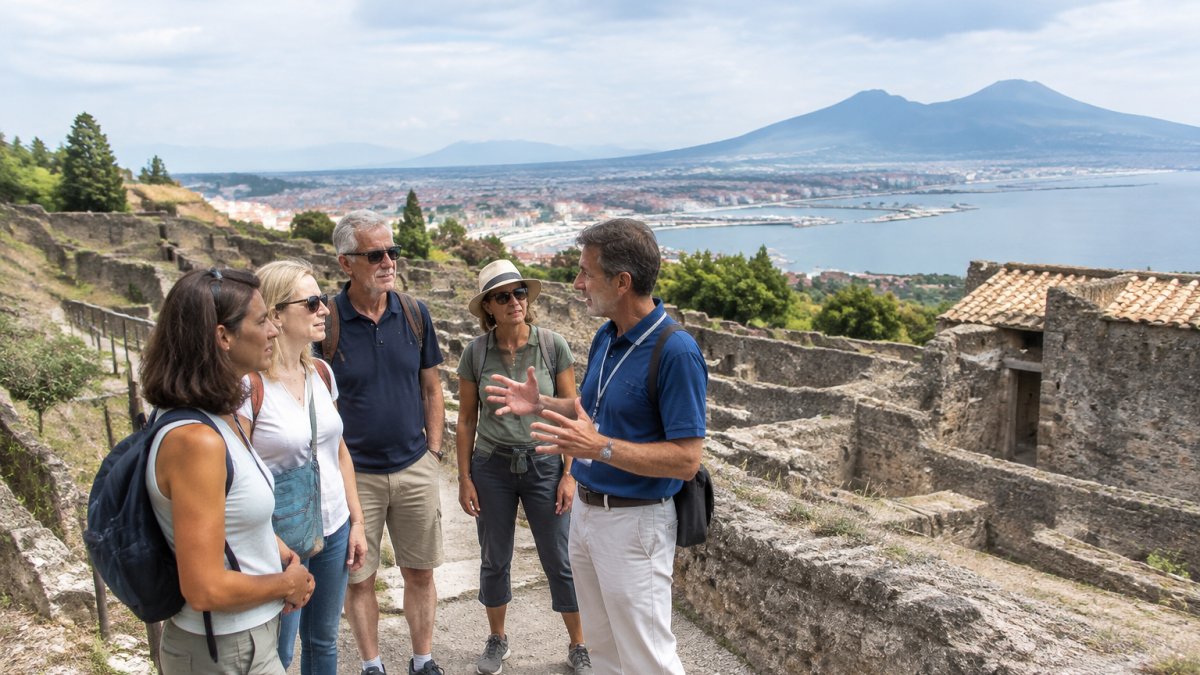
Planning a trip around these sites means choosing between self-guided logistics and expert interpretation. We built Italian History with Joseph for travelers who want the second option: small groups, guaranteed departures, and a historian who has spent over thirty years in these landscapes.
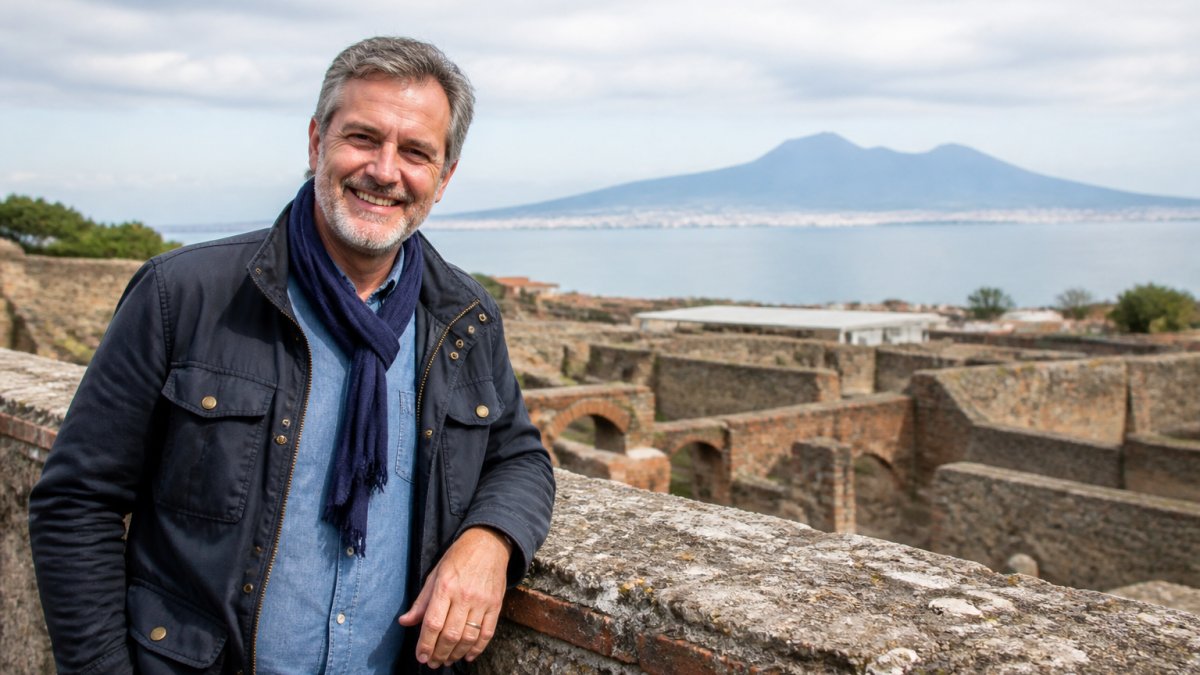
Joseph Walker, author of Buried Italy, designs each itinerary by hand, with access to places like the sunken ruins of Portus Julius, which few visitors ever reach.
If you are ready to plan, contact us to request a planning call with Joseph Walker.
The difference between seeing a ruin and understanding it comes down to who is standing beside you. Italian History with Joseph offers historian-led small-group tours with guaranteed departures, access to sites guidebooks skip, and unhurried meals with the people who call these regions home. Get started with Italian History with Joseph and walk through an Italy most travelers never see.
Frequently Asked Questions
Are there any submerged Roman cities I can visit in Italy?
Yes. The submerged ruins of Baia, in the Phlegraean Fields near Naples, form one of the most remarkable underwater archaeological parks in the Mediterranean. You can view the submerged ruins through the glass bottom of a small boat. Because the ground sank over centuries, much of the Roman resort town now lies beneath the bay, which is why it remains one of Italy's most underrated archaeological sites.
How do I find authentic, non-touristy archaeological sites in Italy?
Start with regional archaeological parks rather than headline monuments. Sites such as the Phlegraean Fields, Paestum and the cave neighborhoods of Matera draw far smaller crowds than Pompeii, and they carry the same historical weight. Traveling with a historian who knows which excavation areas are open and which are overlooked by guidebooks makes the difference. Independent travelers should check the official park websites for opening hours, entry fees and guided tour availability before arriving.
What are the best archaeological sites in Southern Italy for history enthusiasts?
Southern Italy rewards anyone willing to go beyond the obvious. Paestum's Greek temples are a major highlight, Herculaneum offers a counterpart to Pompeii, and the Sassi of Matera reveal rock-cut dwellings. Add the submerged ruins of Baia and the volcanic landscape of the Phlegraean Fields, and you have an itinerary that covers Magna Graecia, Roman antiquity and medieval cave civilization in a single region.
What is the best time to visit hidden archaeological sites in Italy?
Late spring and early autumn offer the best balance of open sites, manageable temperatures and thinner crowds. July and August bring heat and peak visitor numbers to coastal Campania, while November through February can mean reduced opening hours at smaller parks. Booking guided tours outside peak season often means smaller groups and more time with your expert. Always confirm seasonal opening hours directly with each archaeological park before planning your route.