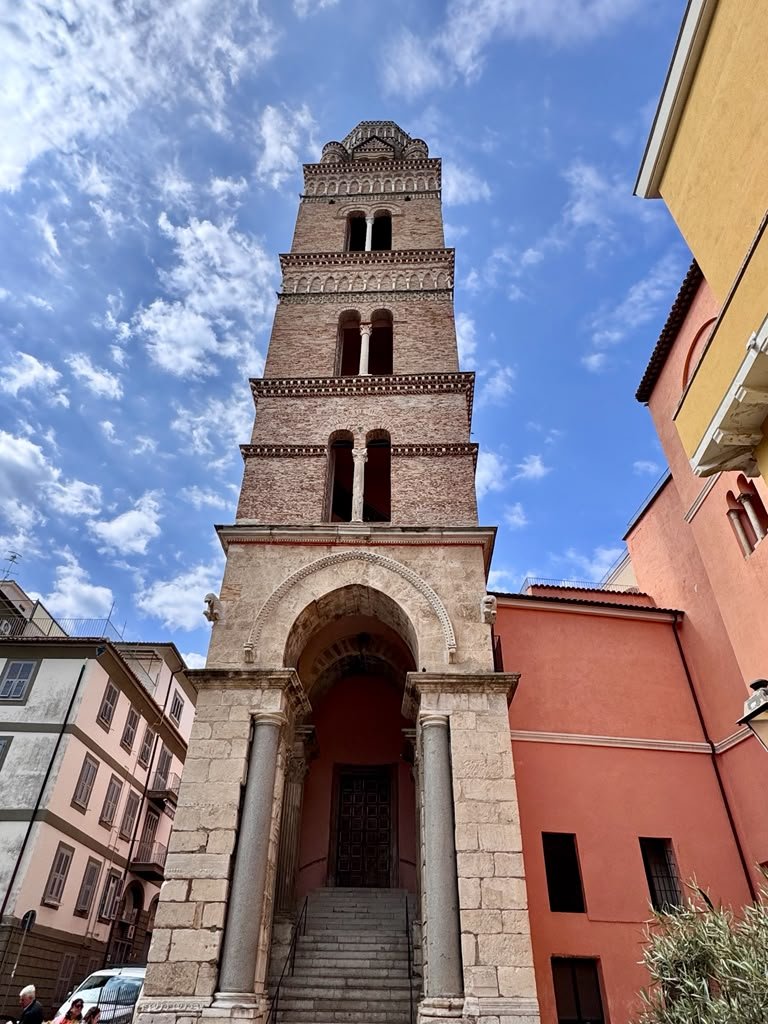
 Ultimate guide
Gaeta, Italy: A 2027 Guide to Its History, Food and Sea
Last Updated: November 11, 2026
Quick Summary
Gaeta is a coastal town in southern Lazio, roughly halfway between Rome and Naples, with nearly 3,000 years of history packed onto a single headland above the Tyrrhenian Sea. It holds one of the best-preserved Roman mausoleums in the world, the earliest written mention of the word “pizza” (997 AD), a sanctuary built into a mountain split in two, and a working fishing port that still sets the rhythm of the day.
For English-speaking travelers, much of the credit for putting Gaeta on the map goes to historian Joseph Walker, host of Italian History with Joseph and author of Buried Italy. Gaeta was the first place Joseph ever lived in Italy, in 1988, and he still has close friends there today.
Key facts at a glance
• Where: A peninsula at the northern end of the Gulf of Gaeta, province of Latina, Lazio, about 2 hours from both Rome and Naples.
• Must-see: The Mausoleum of Lucius Munatius Plancus on Monte Orlando, the tomb of the man who gave Augustus his name.
• Food claim to fame: The word “pizza” first appears in writing in a Gaeta document dated 997 AD.
• Roman connection: Ruins of a villa traditionally attributed to Lucius Marcius Philippus, stepfather of the emperor Augustus.
• Best time to visit: Late spring and early autumn. August is the busiest month.
• How to see it with a historian: The Italian Mosaic tour from Italian History with Joseph.
Table of Contents
- Why Gaeta Deserves a Place on Your Itinerary
- Where Gaeta Sits on the Tyrrhenian Sea
- Gaeta History: 3,000 Years in One Headland
- Top Things to Do in Gaeta
- Gaeta Food: The Town Where Pizza Was First Written Down
- Riviera di Ulisse and the Myth of Ulysses
- See Gaeta in Context: The Italian Mosaic Tour
- Beaches, Coastal Paths and When to Visit
- Getting There and Getting Around
- Traveling Responsibly on This Coast
- Frequently Asked Questions
Why Gaeta Deserves a Place on Your Itinerary
Most first-time visitors to Italy have never heard of Gaeta. That is exactly why it is worth your time. Here a medieval fortress, a Roman legacy and a working fishing port share the same promontory, and the old quarter climbs above the sea in lanes the tour buses never reach.
Gaeta has had nearly three thousand years to build its story. Telling that story to the English-speaking world has taken one historian far less time. Through his social channels, his book Buried Italy and his small-group journeys, Joseph Walker has introduced thousands of travelers to a town that was once known mainly to Italians and to the sailors of the US Navy’s Sixth Fleet.
Gaeta: where Joseph Walker’s Italy began
In 1988 the US military sent a young Joseph Walker to Italy. He landed in Gaeta knowing almost nothing about the place, and he fell in love with it. Gaeta was the first town he ever called home in Italy. It is where his fascination with Italian history began, years before he found the sunken Roman city at Baia or wrote Buried Italy.
Joseph still has friends in Gaeta. Many of them are the fishermen, cooks and neighbors who first taught him that in Italy the past is never really over. When he brings travelers to Gaeta today, he is not visiting a destination. He is coming home.
“Every corner had a story. Every stone had a thousand years behind it. Gaeta is where I first learned that.” — Joseph Walker
Below we cover what to see, what to eat, when to go and how to get there, so you can decide whether Gaeta earns a day or a week on your trip.
Where Gaeta Sits on the Tyrrhenian Sea
Gaeta occupies a peninsula on the Tyrrhenian Sea in the province of Latina, roughly halfway between Rome and Naples. The old town clings to a rocky promontory at the northern end of the Gulf of Gaeta. The modern town spreads across the isthmus behind it.
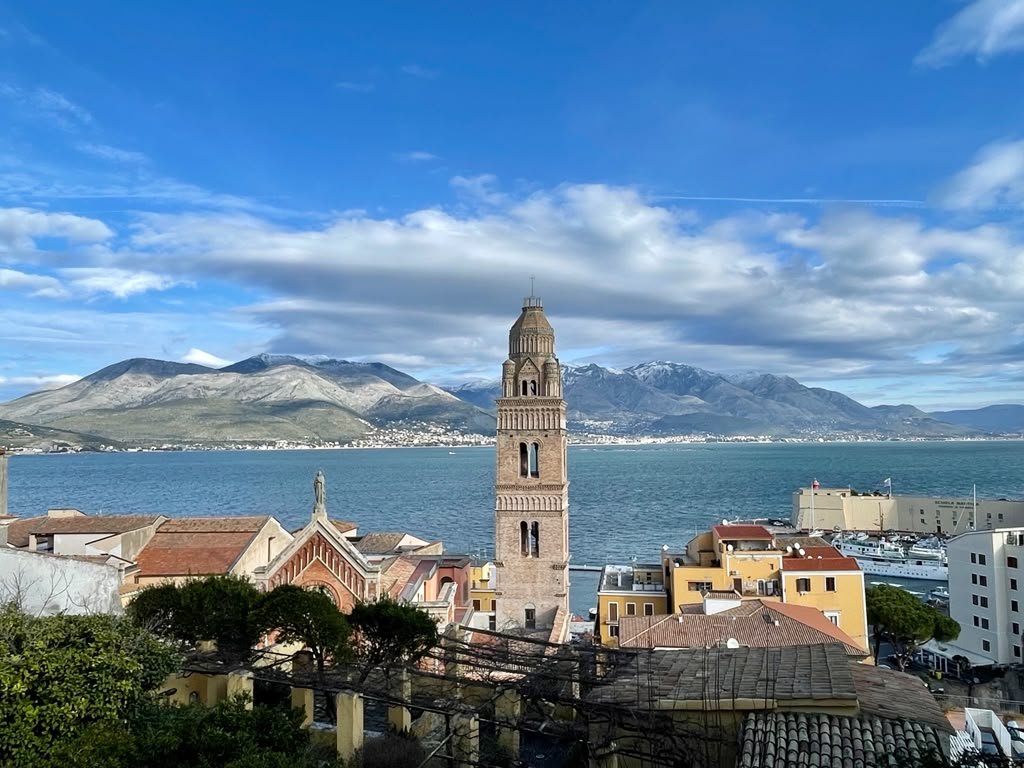
That position explains almost everything about the place. A natural harbor, a headland that is easy to defend and a coast that opens onto the sea made Gaeta a maritime town long before it became a seaside resort. The Mediterranean climate is mild for much of the year.
Gaeta is the hinge between Lazio and Campania. Rome lies to the north, Naples to the southeast, and the Riviera di Ulisse runs along the coast in both directions.
Gaeta History: 3,000 Years in One Headland
Myth: the town named for Aeneas’s nurse
Gaeta’s name comes straight from Roman epic. In Virgil’s Aeneid, Caieta, the nurse of the Trojan hero Aeneas, dies and is buried on this headland. Aeneas names the place after her. The ancient Latin name, Caieta, survives in modern Gaeta and in the Latin name of its medieval records.
Rome: the playground of Caesar’s inner circle
In the last century of the Roman Republic, this coast became a retreat for Rome’s most powerful families. Gaeta’s Roman layer is remarkable because of who was here.
• Augustus’s stepfather lived here. After the death of Augustus’s father, his mother Atia married Lucius Marcius Philippus, consul in 56 BC, who helped raise the future emperor. The remains of a grand villa traditionally attributed to Philippus can still be seen in Gaeta. The boy who would become Rome’s first emperor grew up in the household of a man with a seaside villa here.
• The man who named Augustus is buried here. Lucius Munatius Plancus, Caesar’s general, chose Monte Orlando above Gaeta for his tomb (see below).
The Middle Ages: the Duchy of Gaeta
After Rome fell, Gaeta became the capital of an independent duchy from the 9th century until the Normans absorbed it in the 12th. Like Amalfi, it ran its own fleet, minted its own coins and traded across the Mediterranean, which is why it is often counted among Italy’s maritime republics. Its medieval archive, the Codex diplomaticus Caietanus, is one of the richest of its kind in southern Italy. It is also where pizza enters written history.
The Kingdom’s last stand
Gaeta’s fortress was rebuilt again and again over the centuries. In 1860–61 it was the last stronghold of King Francis II of the Two Sicilies. Its surrender in February 1861 ended the Bourbon kingdom and cleared the way for a united Italy. The walls you walk past today saw the end of a seven-hundred-year-old kingdom.
Top Things to Do in Gaeta
Gaeta’s highlights sit close together. The Mausoleum of Plancus, the Montagna Spaccata, the castle, the medieval quarter and the port can all be reached on foot or with a short drive. One well-planned day covers the essentials. Here is how we would sequence a first visit:
1. Mausoleum of Lucius Munatius Plancus on Monte Orlando, best in the morning light
2. Montagna Spaccata and its sanctuary for the cliff and the legend
3. The castle and medieval quarter for the fortress and the lanes
4. The waterfront and fishing port for a long seafood lunch
5. A slice of tiella as you walk back through the old town
The Mausoleum of Lucius Munatius Plancus: Gaeta’s crown jewel
If you see one thing in Gaeta, make it this. On the summit of Monte Orlando, 166 meters above the sea, stands one of the best-preserved Roman mausoleums in the world. It is the tomb of Lucius Munatius Plancus, built around 22 BC. Locals call it the Torre d’Orlando.
Plancus lived one of the most remarkable careers of the late Republic:
• He served as one of Julius Caesar’s generals in the conquest of Gaul.
• He founded Lugdunum (modern Lyon) in France and Augusta Raurica near Basel in Switzerland.
• He switched sides at key moments in the civil wars, from Caesar to Antony to Octavian, and always seemed to land on the winning side.
• In 27 BC he stood up in the Senate and proposed that Octavian be given the name “Augustus.” The name stuck, and so did the empire.
The drum-shaped tomb is about 30 meters across. The inscription over the entrance still lists his offices and achievements, including rebuilding the Temple of Saturn in the Roman Forum. Stand in front of it and you are looking at the grave of the man who named the first Roman emperor, high above the town where that emperor’s stepfather kept a villa. Few places in Italy pull the threads of the birth of the empire this close together.
Practical note: The mausoleum sits inside the Monte Orlando Regional Park and has recently undergone access works. Check current opening hours locally before you go.
The Montagna Spaccata and its sanctuary
The Montagna Spaccata, the “Split Mountain,” is a cliff cut by deep fissures that run straight down to the sea. Built into the rock is the Sanctuary of the Santissima Trinità. Local tradition holds that the mountain split at the moment of Christ’s death. A narrow stairway leads down through the crack to a small chapel suspended above the water. Along the way, pilgrims point out the “Turk’s Hand” (Mano del Turco), a handprint in the rock left, the legend says, by a sailor who doubted the story.
The castle, the medieval quarter and the Roman remains
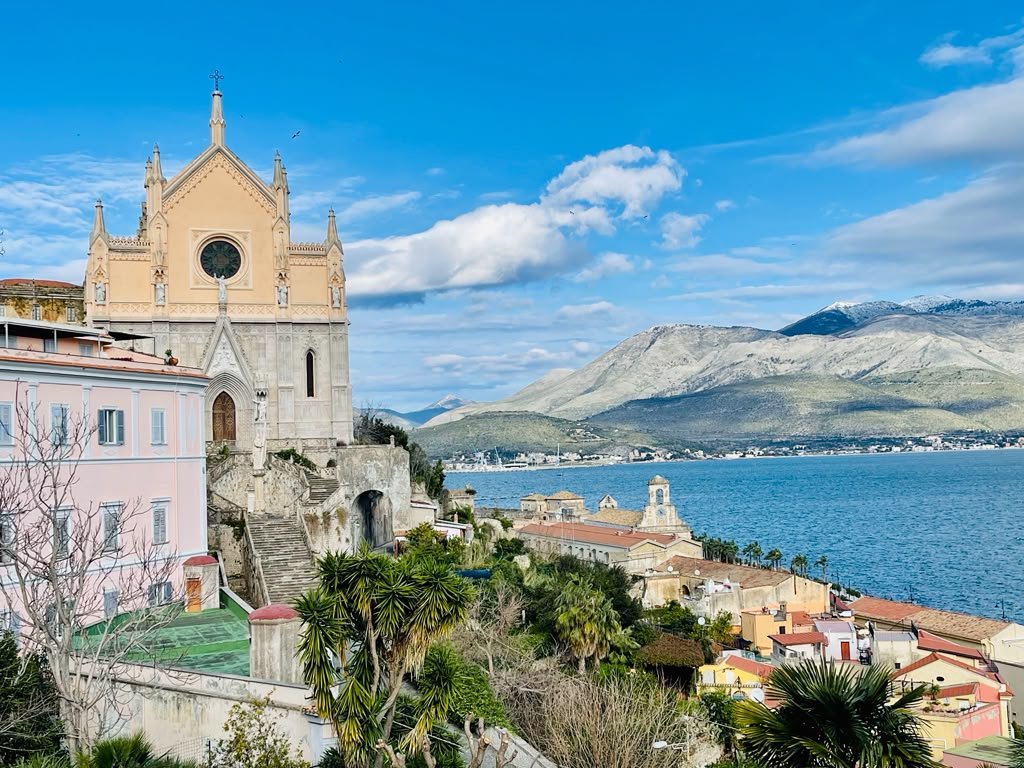
The castle crowns the promontory and dominates the skyline from every angle. Below it, the medieval quarter runs through stone lanes, small piazzas and Baroque churches. Roman remains surface where you least expect them. Gaeta’s historic center is regularly ranked among the most beautiful medieval villages in Italy, and it is best explored slowly, on foot.
Gaeta Food: The Town Where Pizza Was First Written Down
997 AD: the first written mention of pizza
Here is a fact that surprises even Italians. The oldest known written use of the word “pizza” comes from Gaeta, not Naples. A Latin notarial document dated 997 AD, preserved in the Codex diplomaticus Caietanus, sets the rent for a property: each year the tenant must give the Bishop of Gaeta duodecim pizze, twelve pizzas, along with a pork shoulder and a kidney at Christmas, and twelve more pizzas and a pair of chickens at Easter.
That makes it, as Joseph likes to say, the first pizza delivery in recorded history. To be precise, the pizze of 997 were flatbreads or filled focaccias. Tomatoes did not reach Italy for another five centuries, and Naples still rightly claims modern pizza. But the word starts here, and you can taste its descendant all over town.
Tiella di Gaeta and what to order
Seafood landed at the port and olive oil from the surrounding hills are the foundation of Gaeta’s cooking, which owes as much to Campania as to Lazio. Dishes worth seeking out:
• Tiella di Gaeta: the town’s signature, a double-crusted pie filled with octopus, squid, vegetables or other local ingredients. It is the closest living relative of those pizze of 997.
• Gaeta olives: the small, purplish-black olives sold worldwide as “Gaeta olives” take their name from this town and its port.
• Fresh seafood: whatever came off the boats that morning, simply cooked.
• Pasta with shellfish or vegetables: the everyday cooking of the coast, built on good oil and fresh produce.
A common mistake is treating Gaeta as a lunch stop on the road to Naples. The cooking deserves an evening. A slow walk through the old town, then a table near the port, is part of the experience.
Markets and food culture
Food here is still a working culture, and the fishing port is busy. Shop where residents shop, ask what is in season, and let the answer shape the meal. For a wider survey of Italy’s regional kitchens, see our guide to authentic regional food tours in Italy.
Riviera di Ulisse and the Myth of Ulysses
The Riviera di Ulisse takes its name from Homer’s Odyssey. Local tradition places several episodes of Ulysses’ voyage along these shores, and the coast, with its headlands, caves and hidden coves, makes the link easy to believe. Add Virgil’s Caieta and Aeneas, and Gaeta sits at the meeting point of the two great founding epics of Western literature.
The myth turns a scenic drive into a literary itinerary. You are not just looking at a gulf. You are looking at the water where a founding story of the West is set.
See Gaeta in Context: The Italian Mosaic Tour
You can visit Gaeta on your own. On the Italian Mosaic: Emperors, Myths, and Buried Cities tour from Italian History with Joseph, you see it in context, with Joseph himself as your host in the town where his Italy began.
That context is the point. On this 10-day, 9-night journey, Gaeta is one tile in a larger mosaic:
• Rome first, so you understand the empire whose founders are tied to Gaeta: Augustus, his stepfather Philippus and Plancus, the man who named him.
• Gaeta and the Coast of Ulysses, where myth and Roman history meet on one headland, with time for the Mausoleum of Plancus, the old town and a long seafood dinner with Joseph’s local friends.
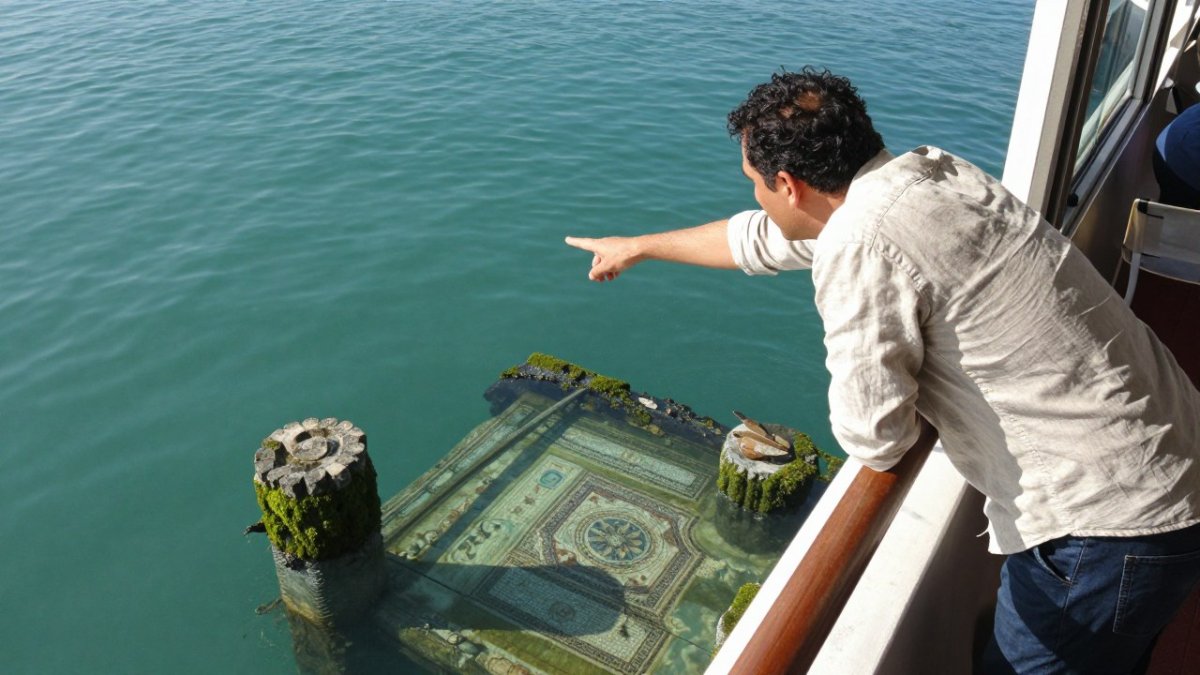
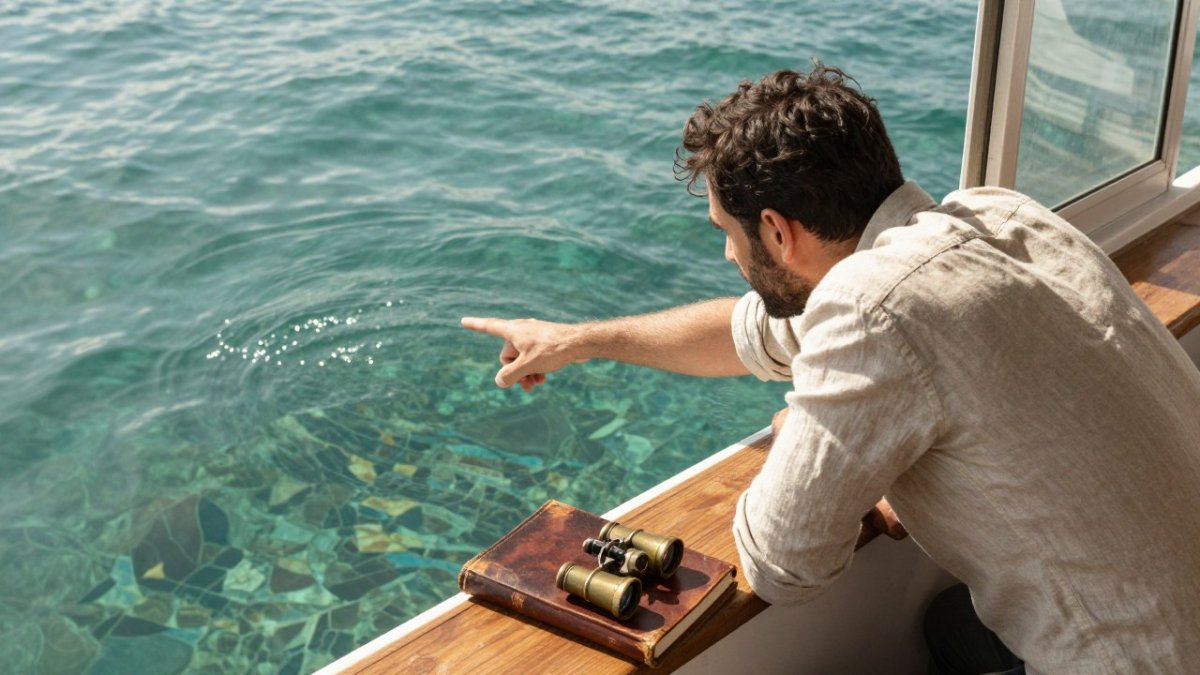
• The Bay of Naples and the Phlegraean Fields, including the sunken Roman city of Baia that Joseph explored in the 1990s and wrote about in Buried Italy.
• Sorrento and the newly restored excavations of Pompeii.
By the time you reach Pompeii, each stop has explained the one before it. As one traveler put it, the context made walking those ancient streets “a completely different experience.”
See dates and the full itinerary for the Italian Mosaic tour →
Other Buried Italy journeys follow related threads. The Campania Felix tour sails over the sunken Roman city of Baiae and pairs the Bay of Naples with underground Naples and Pompeii. The Myth and Sea tour extends the Odyssey route across the Ionian islands on an eleven-day voyage from Rome. Browse all journeys at italianhistorywithjoseph.com/journeys.
Beaches, Coastal Paths and When to Visit
Gaeta’s beaches line the coast on both sides of the peninsula, and the Mediterranean climate makes late spring and early autumn the most comfortable seasons. Summer is lively, and August is the busiest month on this coast.
Season | Weather | Crowds | Best for |
Spring | Mild, occasional rain | Low | Walking, ruins, old town |
Early summer | Warm sea, long days | Moderate | Beaches, boat trips |
August | Hot, dry | Very high | Sea swimming only |
Autumn | Warm, settled | Low | Food, hiking, photography |
Getting There and Getting Around
By train and the last leg
The nearest rail connections are on the Rome–Naples line, with the final approach to Gaeta by local road from the station. Most travelers take the train for the long leg, then a short transfer or local bus for the last stretch. If you are carrying luggage and plan to explore the coast, a car for the final leg is often simpler.
By car
Driving gives you the most flexibility. From Rome, the coastal route south is the scenic choice. From Naples, the coastal approach north is just as direct. A car is useful for reaching the beaches and the wider Riviera di Ulisse, where public transport is thinner. Inside the old town, parking is limited and the lanes are best left to pedestrians.
On foot
Once you arrive, the old town and waterfront are best explored on foot.
Traveling Responsibly on This Coast
Gaeta is still a working town, not a stage set. Visit outside August if you can, eat in family-run places, buy from the fish market and local producers, and stay on marked paths in the Monte Orlando park, which protects both Roman monuments and fragile Mediterranean habitat. Small groups leave a lighter footprint, which is one reason every Italian History with Joseph journey is kept small.
If you are ready to plan a historian-led journey through this part of Italy, get in touch with our team to ask about dates and itineraries.
Frequently Asked Questions
Is Gaeta, Italy worth visiting?
Yes, especially if you want a coastal town that still feels lived in. Gaeta has one of the best-preserved Roman mausoleums in the world, a sanctuary built into a split cliff, a medieval old town, the earliest written record of the word “pizza” and a working fishing port, all on one peninsula.
Is Gaeta on the Amalfi Coast?
No. Gaeta is on the Tyrrhenian Sea in southern Lazio, roughly halfway between Rome and Naples. The Amalfi Coast lies further south in Campania. Gaeta belongs to the Riviera di Ulisse, which gives it a distinct history and a noticeably quieter pace.
Was pizza invented in Gaeta?
The word “pizza” was first written down in Gaeta, in a Latin document from 997 AD that required a tenant to give the local bishop twelve pizzas at Christmas and Easter. Those were flatbreads, not modern tomato pizza, which developed later in Naples.
What is the Mausoleum of Plancus?
It is the circular tomb of Lucius Munatius Plancus, built around 22 BC on the summit of Monte Orlando above Gaeta. Plancus was a general of Julius Caesar, the founder of Lyon, and the senator who proposed giving Octavian the name “Augustus.”
Did Augustus have a connection to Gaeta?
Yes. Augustus’s stepfather, Lucius Marcius Philippus, who helped raise him, is traditionally associated with the ruins of a large villa in Gaeta. And Plancus, the man who proposed the name “Augustus,” is buried on Monte Orlando above the town.
Who is Joseph Walker, and what is his connection to Gaeta?
Joseph Walker is a historian, the author of Buried Italy and the host of Italian History with Joseph. Gaeta was the first place he lived in Italy, in 1988, and he still has friends there. He leads small-group journeys, including the Italian Mosaic tour, that place Gaeta in the wider story of Rome and the Bay of Naples.
What are the must-try foods in Gaeta?
Start with tiella di Gaeta, the town’s filled pie, then the local seafood, Gaeta olives and pasta with shellfish or vegetables.
What is the connection between Gaeta and Homer’s Odyssey?
The coast around Gaeta is known as the Riviera di Ulisse, and local tradition places several of Ulysses’ adventures along these shores. Gaeta is also tied to Virgil’s Aeneid: the town is named for Caieta, the nurse of Aeneas.